


 English
 中文简体
 Español
 عربى
Industry News
Which Nozzle Design Fits Your Manual Sprayer?
A manual sprayer looks unassuming on a factory pallet: a tank, a pump handle, a hose, and a wand. Yet for overseas buyers sourcing garden and agricultural equipment, the internal logic of this tool deserves a closer look. No motor, no battery, no cord—just human effort converted into steady liquid pressure. Understanding how that conversion happens, and how manufacturers control it on the assembly line, helps B2B buyers evaluate whether a supplier truly understands the product they are shipping.
The Pump Is the Heart of the Machine
Every manual sprayer depends on a piston or diaphragm pump driven by the operator's hand. When the handle is pressed, a piston moves inside a cylinder, drawing liquid from the tank through a one-way valve and pushing it toward the pressure chamber. A diaphragm pump achieves a similar result with a flexible membrane instead of a sliding piston, which reduces wear on the sealing surfaces.
The check valves are small parts with outsized importance. An inlet valve opens on the upstroke and closes on the downstroke; an outlet valve does the reverse. If either valve seats poorly, pressure bleeds back into the tank and the sprayer loses its rhythm. Suppliers who inspect valve seating during assembly tend to deliver units that hold pressure between strokes rather than fading after a few pumps.
Where the Pressure Lives
A manual sprayer stores energy in a pressure chamber, often an air chamber above the liquid line. As the operator pumps, liquid enters the chamber and compresses the trapped air. That compressed air pushes back on the liquid, sustaining flow through the nozzle between pump strokes. The ratio of air volume to liquid volume inside the chamber shapes how smooth the spray feels—a chamber with generous air space delivers a steadier stream than one that fills quickly with liquid.
The chamber material matters as well. Many manufacturers mold the chamber from a rigid polymer that resists deformation under repeated pressurization. A chamber that flexes with each stroke wastes effort and shortens the working life of the surrounding seals. For buyers, asking how a supplier molds and wall-thickness-checks this component reveals a lot about their process discipline.
Seals, Nozzles, and the Details That Leak
A manual sprayer is a collection of sealing points: the pump head, the tank neck, the hose connection, the wand joint, and the nozzle cap. Each one is a potential drip. O-rings and gaskets in compatible materials—often nitrile or silicone depending on the liquid involved—keep these joints tight. The molding tolerance on the tank neck, in particular, determines whether the cap seats flush or leaves a slow weep.
Nozzle design governs spray pattern. A cone nozzle produces a fan or cone-shaped mist suited to foliar work, while an adjustable nozzle lets the operator shift between a narrow jet and a broader spray. The orifice diameter controls flow rate at a given pressure. Manufacturers who drill or mold nozzles to tight tolerances produce sprayers that behave predictably across a production batch, which matters when a buyer is outfitting a distributor's catalog rather than a single garden shed.
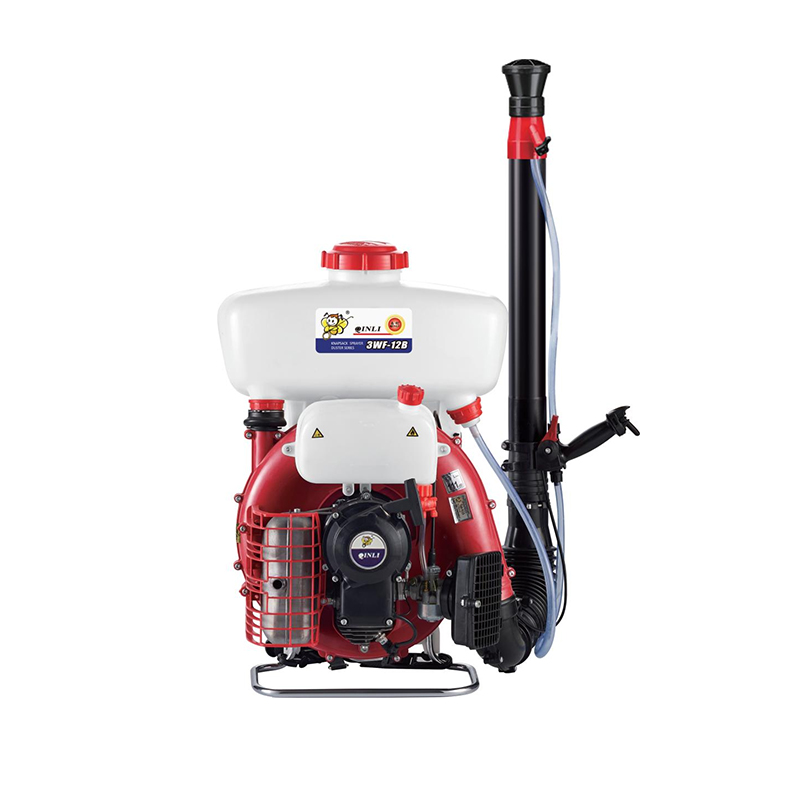
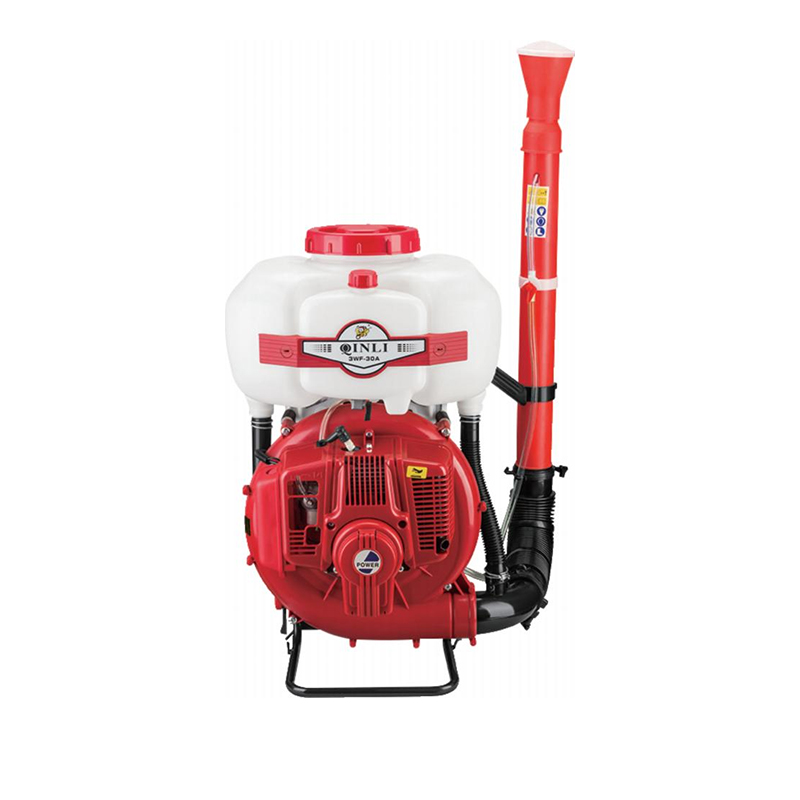
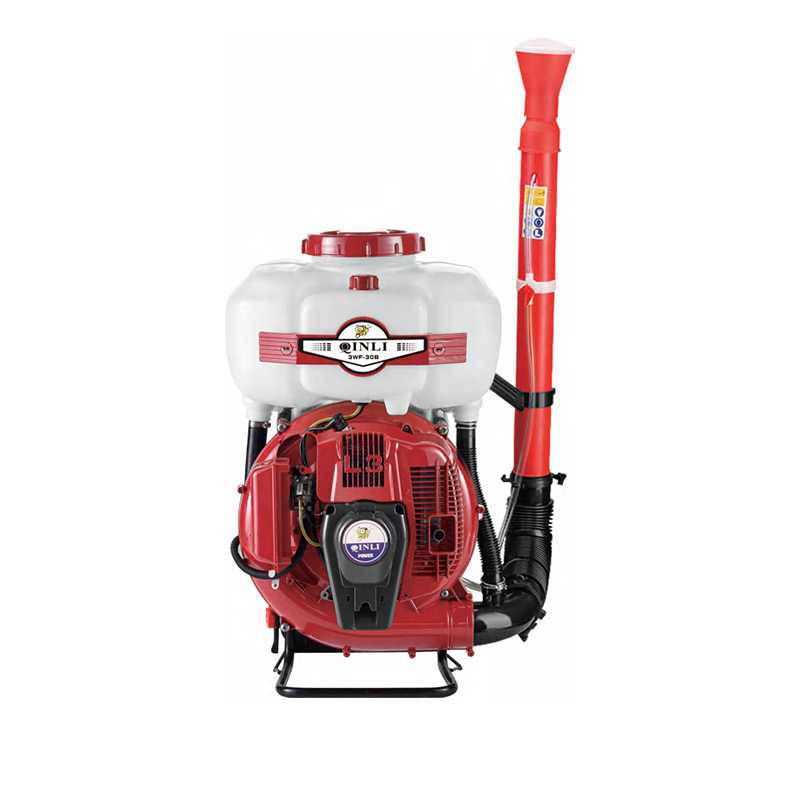
Recommended Products
- CONTACT DETAILS
-
- +86-13857697898
- +86-576-88121879
- export@qinlisprayer.com
- 18 Yanhai, sanjia Street, Jiao Jiang Dis, Taizhou city, Zhejiang, China
 Download Sample
- PRODUCT CENTER
- SEND A MESSAGE

