


 English
  中文简体
中文简体  Español
  عربى
عربى
Industry News
Knapsack Mist Duster in Agricultural Spraying
Understanding Knapsack Mist Duster
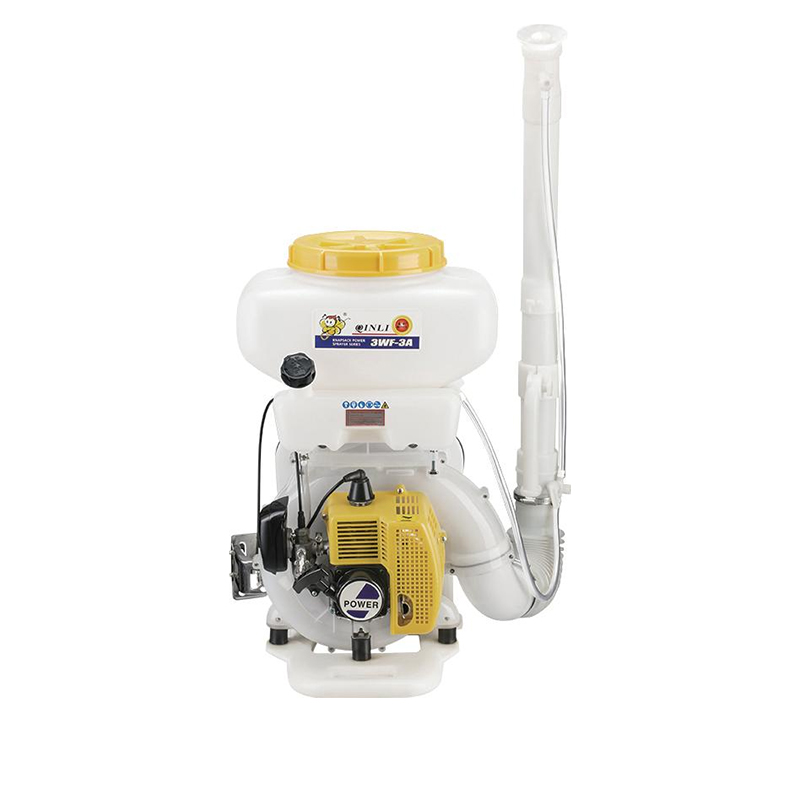
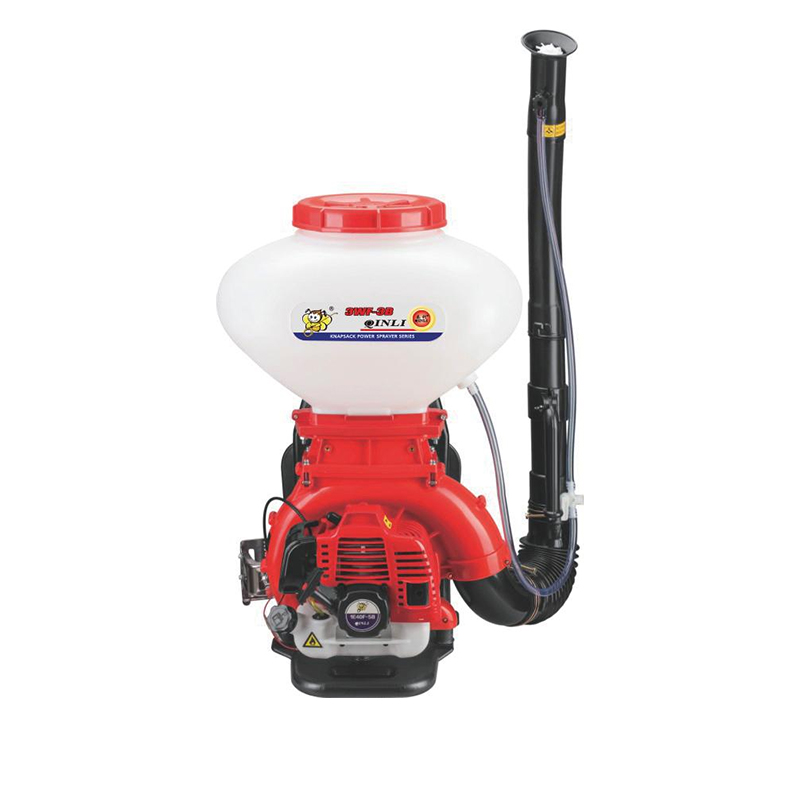
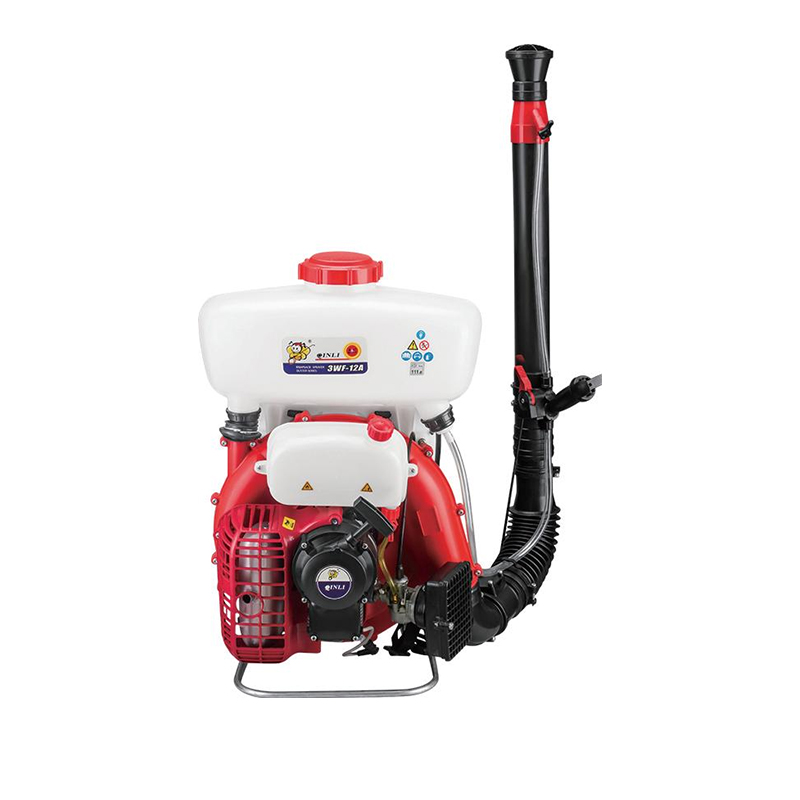
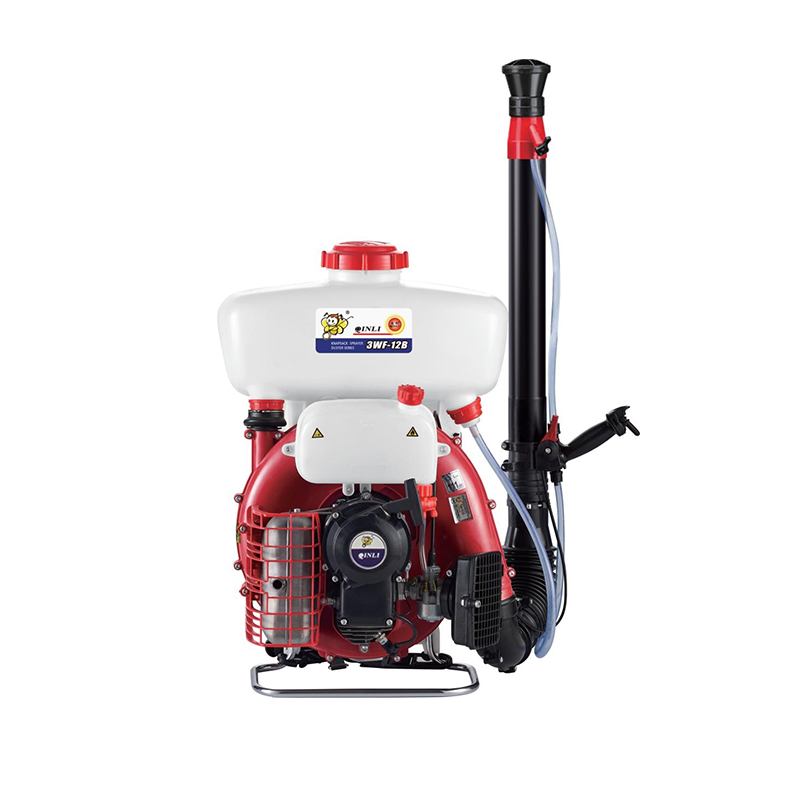
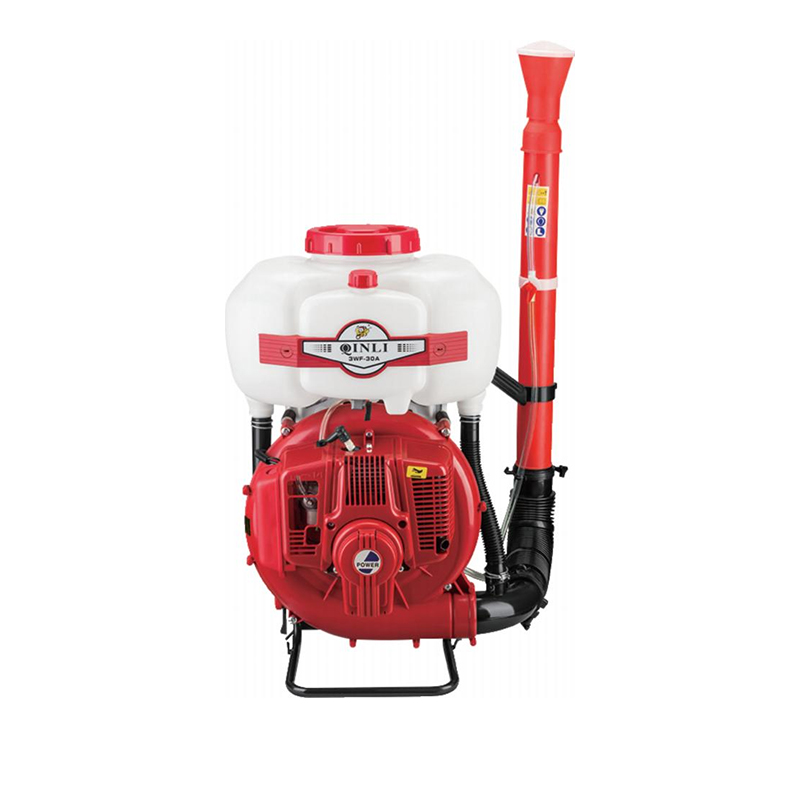
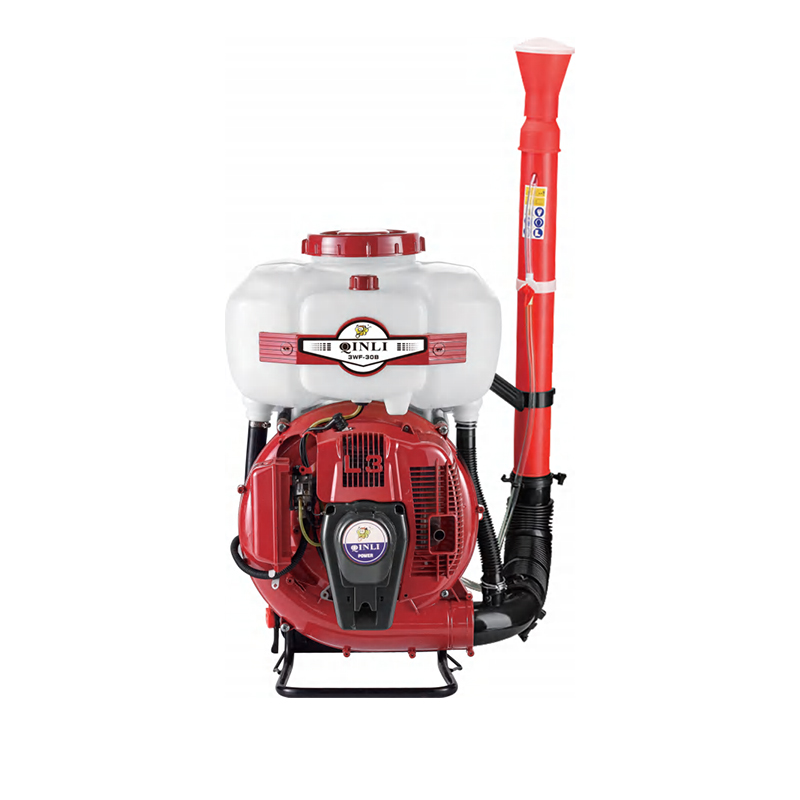
A knapsack mist duster is a backpack-style machine designed to disperse liquid mist or fine dust particles for crop protection and nutrient application. It combines a tank, engine or manual pump, and a nozzle system that creates a directed air flow to carry the material to target plants. Operators use it for both small plots and larger areas where access with bigger equipment remains limited.
The unit typically holds a certain volume of liquid or powder in its tank while the operator walks through the rows. A flexible hose and wand allow precise direction of the output toward leaves, stems, or soil areas. In daily farm routines, this equipment supports timely coverage without the need for vehicle-mounted systems in tight spaces or uneven ground.
Design and Construction Features
Knapsack mist duster units feature sturdy frames that distribute weight evenly across the operator’s back and shoulders during movement. The tank body uses materials that resist common agricultural chemicals and provide clear visibility of remaining contents. padded straps and waist belts help improve comfort over extended use in the field.
The blower system creates sufficient air velocity to carry droplets or particles effectively toward the plants. Nozzles come in different sizes and patterns to adjust droplet size according to the task. Control levers on the wand allow operators to start, stop, or adjust flow while moving between rows. These elements work together to support steady performance during standard spraying sessions.
How Knapsack Mist Duster Operates
During operation, the knapsack mist duster mixes air with the liquid or powder to form a fine mist or dust cloud. The operator fills the tank with the prepared solution, starts the power source, and directs the wand toward the crops while walking at a steady pace. The air stream helps carry the material through foliage for coverage on both upper and lower leaf surfaces in many cases.
Flow rate and air speed can be adjusted through simple controls to match crop density and wind conditions at the time of application. Operators typically move in patterns that ensure overlapping coverage without excessive overlap. The equipment allows treatment of individual plants or entire rows depending on the setting and wand movement. This process repeats across sections of the field until the required area receives attention.
Applications Across Farming Areas
Knapsack mist duster sees regular use in many crop production settings. Vegetable growers apply it for protection against insects and diseases in garden plots and commercial fields. Fruit orchard operators use the equipment to reach trees at different heights with directed mist.
Rice and grain farmers employ it in paddies and dry fields where ground clearance or water conditions limit other sprayers. Plantation crops such as tea, coffee, and banana benefit from the portability of the unit on sloped or terraced land. Greenhouse operators sometimes choose smaller versions for precise application inside enclosed spaces.
The equipment also supports work in nurseries for young plants and in areas growing flowers or ornamental crops. Both smallholder farmers and larger teams use knapsack mist dusters to address pest pressures or nutrient needs during key growth stages. Its flexibility allows movement between different crop types and field sizes within the same workday.
Knapsack mist duster remains a common choice for targeted application in agriculture. Its design and operation support practical needs in crop management across various scales and terrains. Farmers continue to rely on this equipment for routine field tasks that require mobility and control.
Recommended Products
- CONTACT DETAILS
-
- +86-13857697898
- +86-576-88121879
- export@qinlisprayer.com
- 18 Yanhai, sanjia Street, Jiao Jiang Dis, Taizhou city, Zhejiang, China
 Download Sample
- PRODUCT CENTER
- SEND A MESSAGE

