


 English
  中文简体
中文简体  Español
  عربى
عربى
Industry News
Gasoline Garden Machine Performance in Outdoor Work
In outdoor maintenance and landscaping work, the Gasoline Garden Machine continues to play a practical role in many regions where electric alternatives are not always convenient. These machines are powered by small internal combustion engines, usually running on gasoline, and are designed to handle a wide range of garden-related tasks such as cutting grass, trimming hedges, clearing weeds, or even assisting with soil preparation. Their portability and consistent power output make them suitable for both residential and semi-professional use.
A Gasoline Garden Machine typically includes components such as an engine unit, fuel tank, cutting or working attachment, and a control handle. Depending on the type of machine, the attachment may vary. For example, lawn mowers use rotating blades, while brush cutters use nylon lines or metal blades. The engine provides continuous rotational force, which is transmitted to the working head through a shaft system. This mechanical setup allows the machine to operate independently of electrical outlets, which is useful in large gardens or remote outdoor areas.
One of the main reasons users continue to choose a Gasoline Garden Machine is mobility. Since it does not rely on a power cord or charging station, it can be used in areas where electricity access is limited. This flexibility is particularly useful for landscaping professionals who work across different sites in a single day. The ability to refuel quickly also means less downtime compared to battery-based tools, especially in long-duration tasks.
Manufacturers of Gasoline Garden Machine products have gradually improved engine efficiency and vibration control. Modern models often include better fuel combustion systems that help stabilize performance during operation. At the same time, noise reduction features have been introduced in some designs to improve user comfort during extended use. While these machines still produce mechanical sound due to engine operation, engineering improvements have helped reduce unnecessary vibration and harsh noise levels.
Ergonomics is another area of development. Handles are now designed with improved grip materials, and weight distribution is adjusted to reduce strain on the operator. Shoulder straps or harness systems are sometimes included for handheld models to support longer working periods. These adjustments are especially useful for users who operate Gasoline Garden Machine equipment for extended landscaping sessions.
In terms of applications, the Gasoline Garden Machine is used in both small home gardens and larger public green spaces. Homeowners use it for lawn maintenance, trimming edges, and clearing overgrown areas. In commercial landscaping, it supports more intensive tasks such as clearing dense vegetation or maintaining large parks and roadside greenery. Its ability to handle tougher outdoor conditions makes it a practical option for varied environments.
Safety considerations are also important during operation. Users are advised to wear protective equipment such as gloves, goggles, and sturdy footwear. Since the machine involves fast-moving mechanical parts, maintaining a safe distance from blades or cutting heads is necessary. Many modern designs include safety switches or throttle locks to prevent accidental activation, especially during transport or storage.
From a manufacturing perspective, Gasoline Garden Machine production involves precision machining and assembly of engine components, along with durable housing materials designed to withstand outdoor conditions. Plastic and metal combinations are commonly used to balance weight and strength. Quality checks typically include engine testing, vibration measurement, and load simulation to ensure consistent performance before shipment.
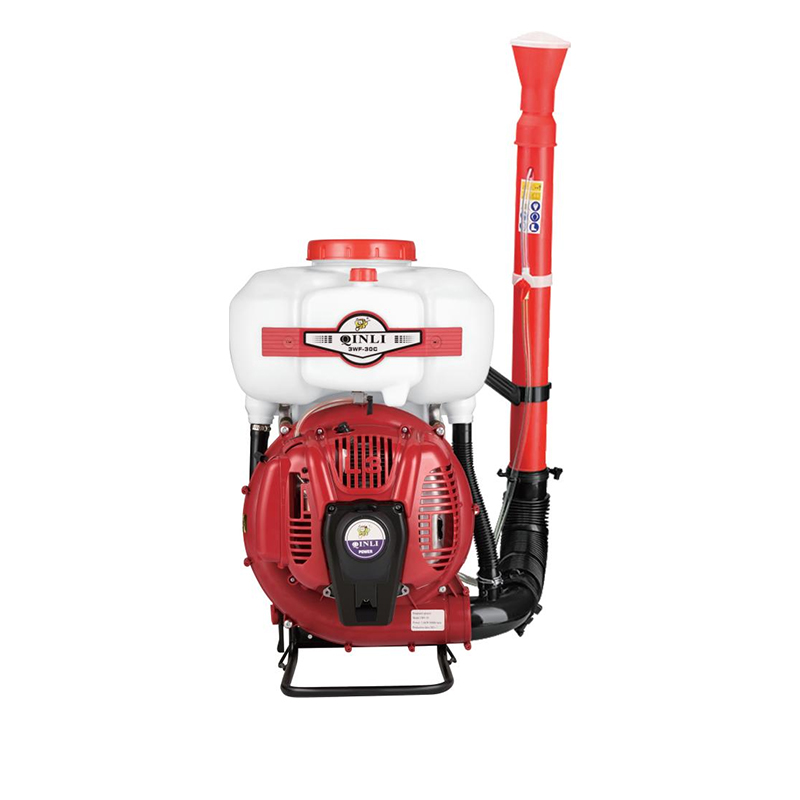
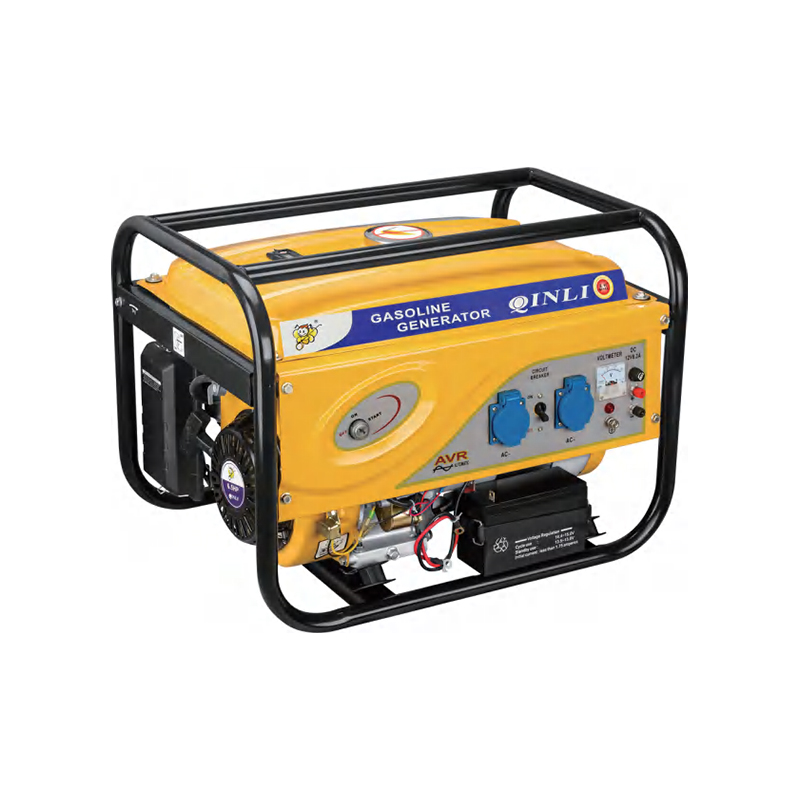
Recommended Products
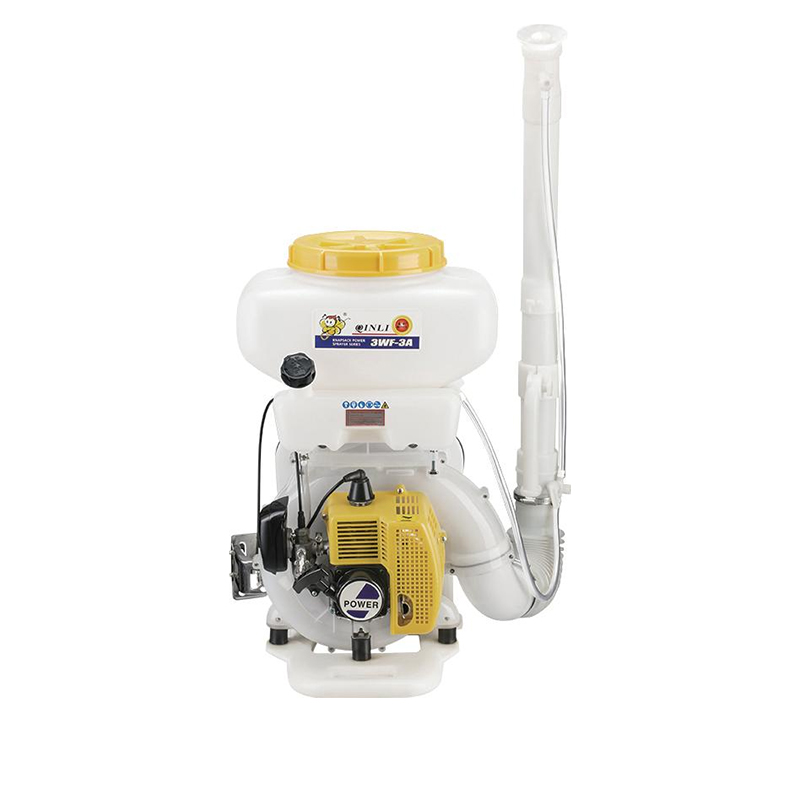
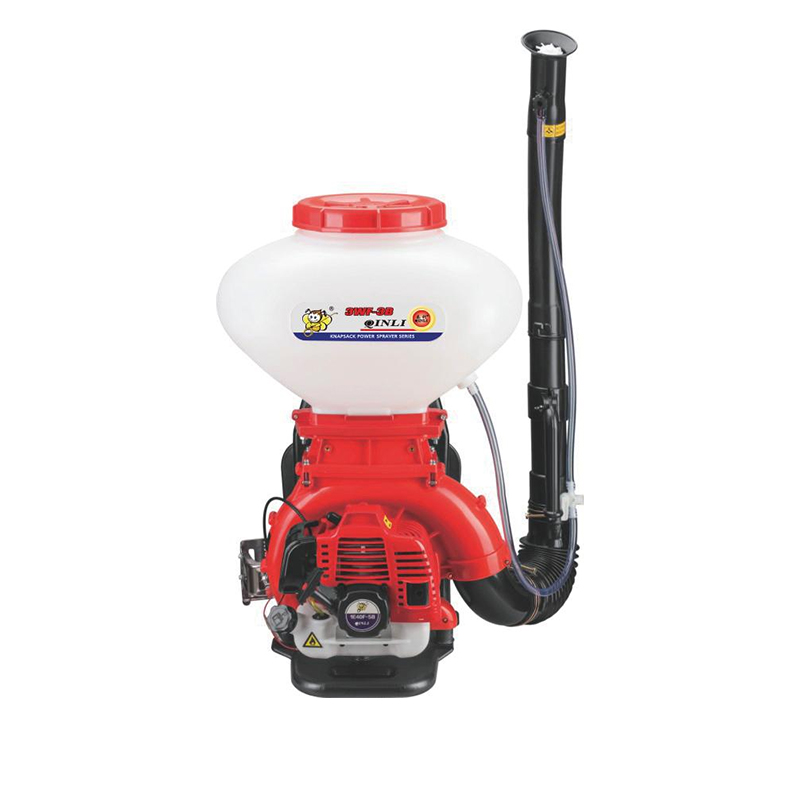
- CONTACT DETAILS
-
- +86-13857697898
- +86-576-88121879
- export@qinlisprayer.com
- 18 Yanhai, sanjia Street, Jiao Jiang Dis, Taizhou city, Zhejiang, China
 Download Sample
- PRODUCT CENTER
- SEND A MESSAGE

