


 English
  中文简体
中文简体  Español
  عربى
عربى
Industry News
Gasoline Water Pump Connects Power with Mobility
Water Transfer Starts with the Right Equipment
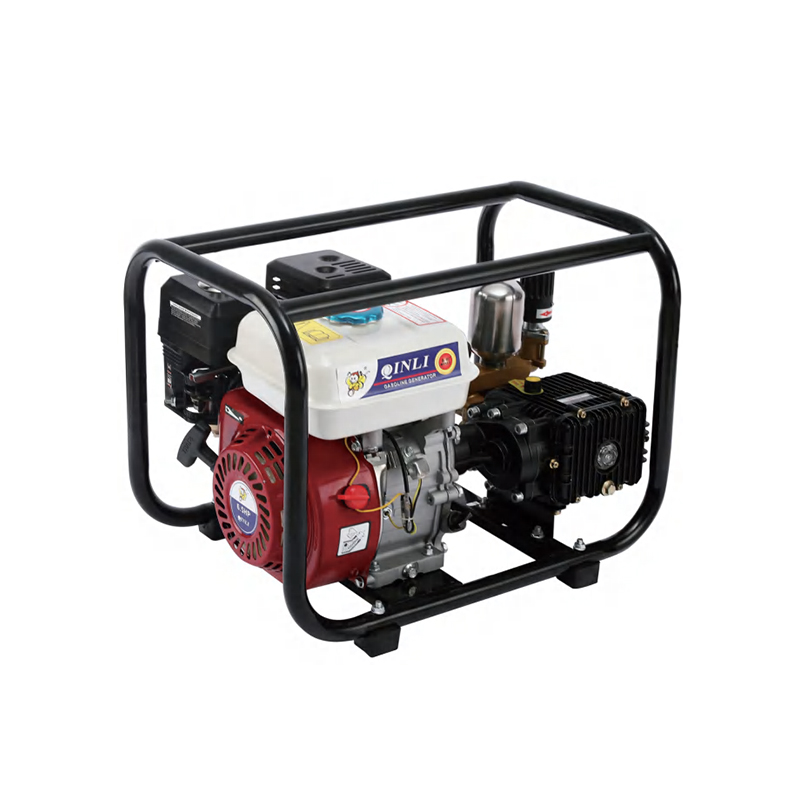
Moving water is not always as simple as connecting a hose to a tap. Farms, construction sites, temporary work areas, and properties outside established water systems may need equipment that can draw water from one location and deliver it to another. A Gasoline Water Pump provides a portable option for these tasks, using a gasoline engine to drive the pumping mechanism.
Unlike electric pumps that depend on a suitable power supply, gasoline-powered models can operate in locations where access to electricity is limited. Their practical value comes from combining engine power, a movable structure, and a water inlet and outlet system. Selecting a suitable model begins with understanding the water source, the required flow, and the distance the water must travel.
How Engine Power Shapes Pumping Performance
The engine drives the pump impeller, which moves water through the pump body and into the discharge line. Engine output is one factor affecting performance, but it does not tell the whole story. Pump design, pipe dimensions, suction conditions, and total delivery height also influence how much water reaches the destination.
A Gasoline Water Pump with a higher rated flow may suit jobs involving large volumes of water over a short distance. Other tasks may require the pump to push water uphill or through a longer hose. In these situations, buyers need to consider the pump's flow and head ratings together rather than relying on a single specification.
Different Jobs Call for Different Flow Rates
Water transfer requirements vary widely from one site to another. Filling a storage tank is different from draining a shallow flooded area or supplying water to several work points. The required flow rate helps determine how quickly a pump can complete a task, while the available head indicates whether it can deliver water at the required elevation.
For example, a small property may need a pump for occasional tank filling, while a construction project may require a higher flow to move water between work areas. Matching the pump to the task helps avoid choosing equipment that is unnecessarily large or unable to meet the site's demands.
Portable Design Makes Field Work Easier
Portability is one reason gasoline-powered pumps are used in outdoor and temporary work settings. Many models feature a compact frame, carrying handles, or a base that supports placement on a relatively stable surface. These design details affect how easily equipment can be transported between locations and positioned near a water source.
Weight and overall dimensions matter when workers need to load a pump into a vehicle or move it around a site. Hose connections and the placement of the inlet and outlet can also affect setup. For distributors, comparing these physical details helps clarify which models fit different customer requirements.
Clear Product Details Help Buyers Compare Models
For wholesalers, equipment distributors, and project suppliers, product information needs to answer practical questions without making the comparison difficult. Engine output, rated flow, total head, suction and discharge port sizes, fuel tank capacity, dimensions, and weight can help buyers distinguish between models.
Application descriptions are equally useful. A product intended for general water transfer may not meet the needs of a job involving debris-filled water or substantial elevation changes. Clear model distinctions help distributors organize their product ranges and explain differences to customers.
A Gasoline Water Pump is not defined by engine power alone. Its usefulness depends on how the pump design, flow capacity, head rating, portability, and water conditions work together. When these factors match the job, users can select equipment that fits the site's actual water transfer requirements rather than relying on a single headline specification.
Recommended Products
- CONTACT DETAILS
-
- +86-13857697898
- +86-576-88121879
- export@qinlisprayer.com
- 18 Yanhai, sanjia Street, Jiao Jiang Dis, Taizhou city, Zhejiang, China
 Download Sample
- PRODUCT CENTER
- SEND A MESSAGE

