


 English
  中文简体
中文简体  Español
  عربى
عربى
Industry News
Gasoline Garden Machine Drives Heavy Yard Tasks
A long driveway, a thick hedge, or a field of tall grass can turn a simple weekend into a workout. For many property owners, a gasoline garden machine offers a way to handle those jobs without relying on a cord or a battery pack. These tools run on a small engine and carry their own fuel, so they can work far from an outlet. That freedom shapes how people approach large outdoor spaces and the pace at which they finish them.
How the Engine Does Its Job
Inside a small gasoline engine, a piston moves up and down inside a cylinder. A mix of fuel and air ignites, pushing the piston and turning a crankshaft. That turning motion travels through a clutch or drive shaft to the working end of the tool. A carburetor manages the fuel-air blend, while a spark plug provides the ignition. These parts work together in a cycle that repeats many times each minute, and the result is steady rotational force.
That force is what drives a blade, a line, or an auger. When the engine speed rises, the tool spins faster; when it drops, the tool slows. The operator controls this balance through a throttle trigger or lever. A gasoline garden machine therefore responds in real time to the demands of the ground, whether the grass is light or heavy.
Why People Pick This Power Source
Gasoline engines tend to deliver steady torque, which helps when a blade meets thick stems or wet grass. They also refuel quickly, so a job can continue after a short pause. For large lots or remote areas, that matters. A gasoline garden machine can run for hours on a tank, and users can carry spare fuel if needed. This makes the format useful for tasks that demand endurance rather than short bursts of power.
Handling also plays a role in the choice. These machines can be heavier than electric alternatives, and they may vibrate during use. Makers address this with padded handles, anti-vibration mounts, and balanced frames. A well-placed handle helps the operator guide the tool without straining, and controls for throttle, choke, and stop usually sit within reach of the grip. Learning them takes a little practice, but it gives the user direct command over engine speed and cutting force.
Noise and Exhaust in Daily Use
A gasoline engine produces sound and exhaust as it runs. That is a normal part of how it works. Users often wear hearing protection and keep a safe distance from others nearby. They also run the machine in open areas rather than enclosed spaces. These habits reflect the reality of combustion engines and help make the work more comfortable for everyone involved.
Beyond sound, the exhaust carries heat and fumes away from the engine. Good airflow around the machine supports this process. Operators also take care to let the engine cool before refueling, since fuel and hot surfaces do not mix well. Such routines are simple, and they keep a gasoline garden machine running predictably through a long session outdoors.
Choosing the Right Size
Not every job needs a large engine. A small displacement unit may suit light trimming, while a larger one can handle dense brush. Buyers often consider the width of the cutting path, the weight of the unit, and the size of the fuel tank. A gasoline garden machine that fits the task will feel easier to manage than one that is oversized or underpowered. Matching the tool to the job is a practical step that pays off in comfort and control.
It also helps to think about the shape of the land. Slopes, narrow gaps, and obstacles call for different designs. A trimmer reaches where a mower cannot, and a tiller works soil that a blower would never touch. By studying the site first, a buyer can narrow the field and pick a machine that fits the work rather than fighting it.
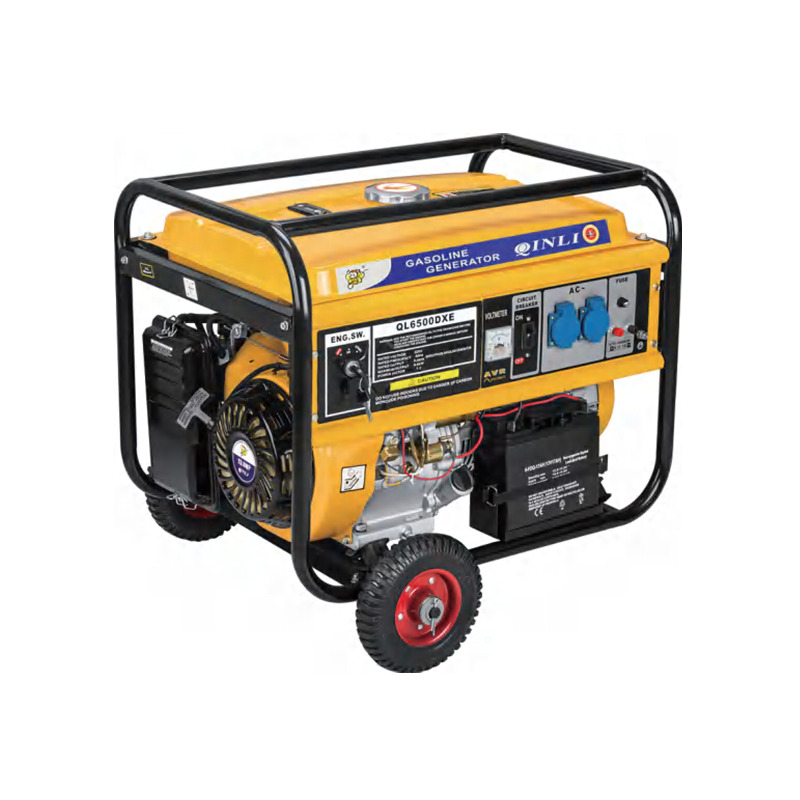
Recommended Products
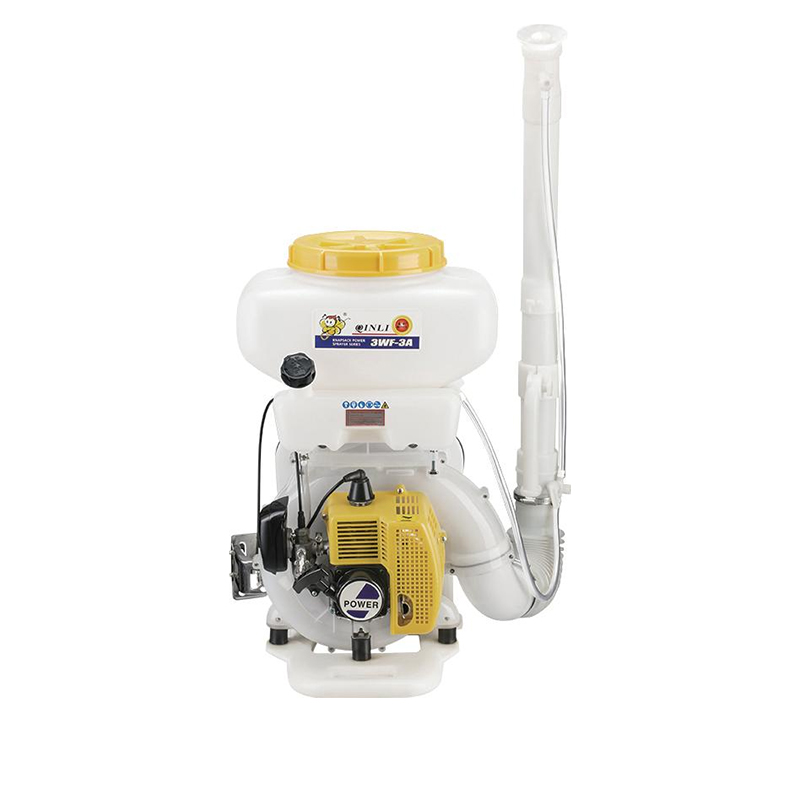
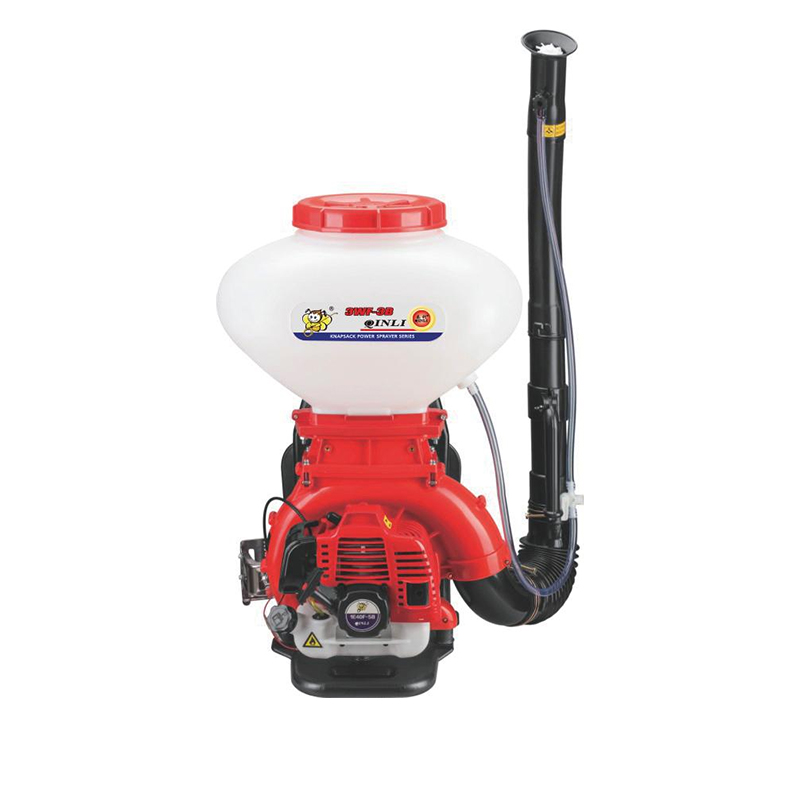
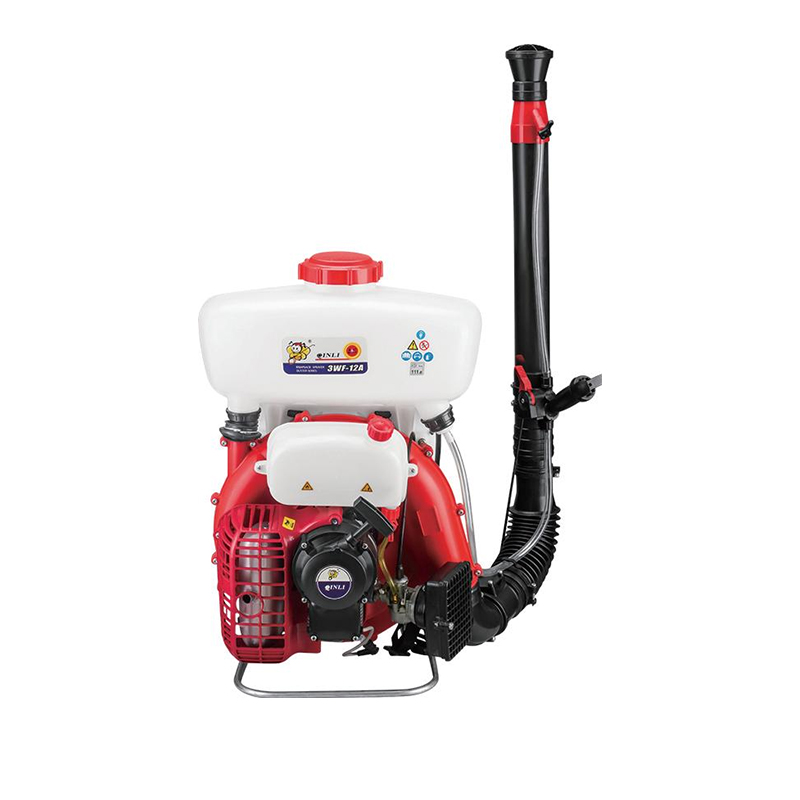
- CONTACT DETAILS
-
- +86-13857697898
- +86-576-88121879
- export@qinlisprayer.com
- 18 Yanhai, sanjia Street, Jiao Jiang Dis, Taizhou city, Zhejiang, China
 Download Sample
- PRODUCT CENTER
- SEND A MESSAGE

