


 English
  中文简体
中文简体  Español
  عربى
عربى
Industry News
Knapsack Power Sprayer Use Across Different Crops
How the Sprayer Is Built
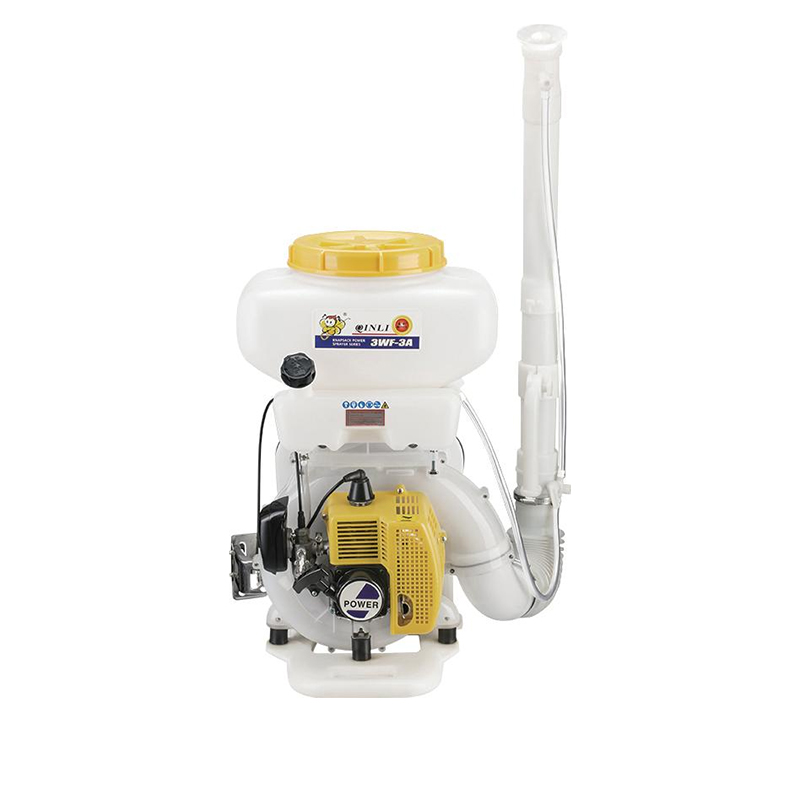
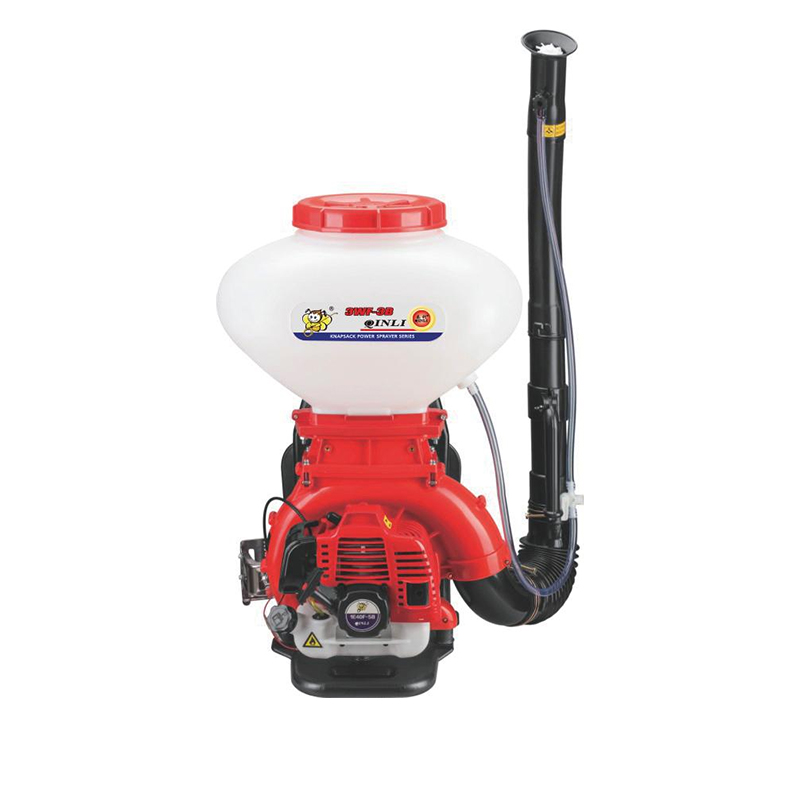
A knapsack power sprayer typically consists of a tank worn on the back, a pump powered either by a small engine or a battery-driven motor, a spray wand, and a set of straps or a harness for carrying. The tank size varies depending on the model, with smaller units suited for garden-scale tasks and larger ones built for extended field work. Engine-driven versions tend to offer stronger output pressure, while battery models appeal to users who want quieter operation and less vibration during long sessions.
The pump is really the heart of the unit. It draws liquid from the tank and pushes it through the hose to the nozzle, where it's dispersed as a fine mist or a targeted stream depending on the nozzle setting. Some sprayers include adjustable pressure controls, letting the operator switch between a light mist for delicate plants and a stronger stream for reaching taller crops or covering wider areas quickly.
Why Portability Matters
The whole point of a knapsack design is freedom of movement. Unlike wheeled or trailer-mounted sprayers, a knapsack unit goes wherever the operator goes, including uneven terrain, narrow rows between plants, or sloped ground that would be awkward for larger equipment. Weight distribution becomes a real factor here — a well-balanced harness spreads the load across the shoulders and lower back, which matters a lot when someone is wearing the unit for hours at a stretch.
Buyers sourcing these sprayers for resale or field distribution often pay close attention to strap design and tank shape, since comfort complaints are common with poorly balanced units. A tank that sits too high or too far back can throw off posture and tire the user out faster, even if the pump itself performs fine.
Engine Type and Power Source
Knapsack power sprayers generally split into two camps: those with small gasoline engines and those running on rechargeable batteries. Gasoline models tend to deliver higher continuous pressure, which suits larger plots or thicker vegetation where more force helps the spray penetrate leaf cover. Battery-powered units, on the other hand, run quieter and skip the fuel mixing and exhaust fumes that come with small engines, which some users prefer for enclosed spaces or shorter tasks.
Battery life and charging time are common questions from buyers evaluating electric models. Run time depends on tank size, spray settings, and how often the pump is engaged at full pressure versus light use. Manufacturers usually list run time under standard conditions, though actual results shift depending on terrain and spray pattern chosen.
Nozzle Options and Spray Patterns
The nozzle is where a lot of the sprayer's flexibility comes from. Many knapsack sprayers ship with multiple nozzle heads or an adjustable single nozzle that can shift between a fine mist, a cone spray, or a direct jet. Fine mist settings work well for even coverage over foliage, while a direct jet reaches higher branches or targets specific spots without wasting product on surrounding areas.
Buyers working across different crop types often look for sprayers with a range of nozzle options included, since a single fixed nozzle can limit what tasks the sprayer handles well. Interchangeable nozzles add versatility, letting one unit serve multiple purposes across a growing season.
Choosing Based on Field Size and Task
Matching the sprayer to the job matters more than picking the biggest tank available. A small orchard or garden setup might do fine with a compact battery unit, while a larger row-crop operation could need the sustained pressure and tank capacity that a gasoline engine provides. Buyers sourcing in bulk for distribution often request a mix of tank sizes and power types to cover a broader range of customer needs, since farming operations vary widely in scale and crop type.
In the end, a knapsack power sprayer earns its place through steady, practical performance — not through any single standout feature, but through how well it fits into the daily rhythm of fieldwork.
Recommended Products
- CONTACT DETAILS
-
- +86-13857697898
- +86-576-88121879
- export@qinlisprayer.com
- 18 Yanhai, sanjia Street, Jiao Jiang Dis, Taizhou city, Zhejiang, China
 Download Sample
- PRODUCT CENTER
- SEND A MESSAGE

