


 English
  中文简体
中文简体  Español
  عربى
عربى
Industry News
Knapsack Power Sprayer Design Highlights
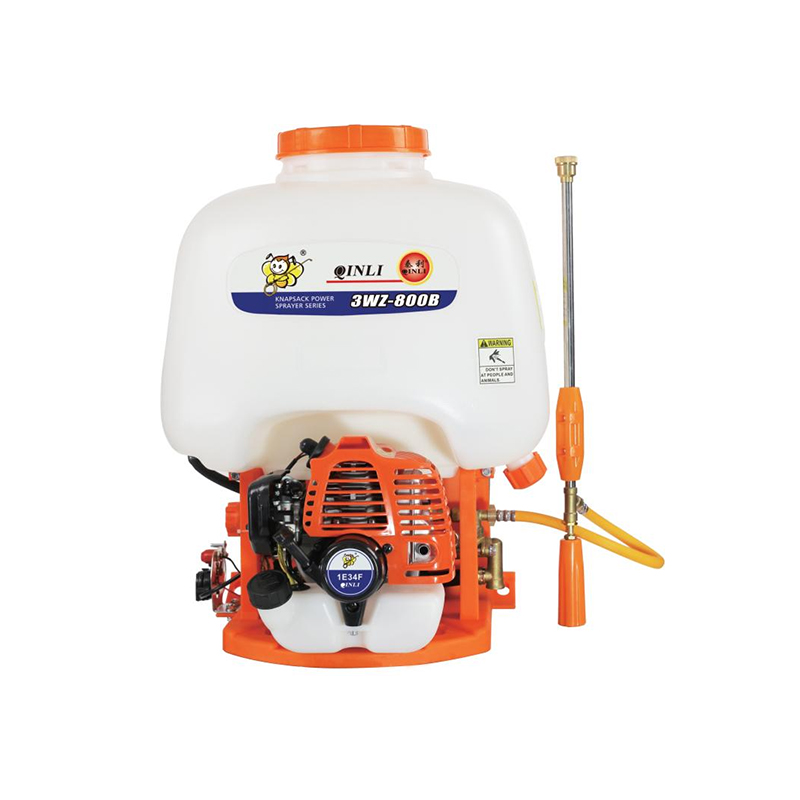
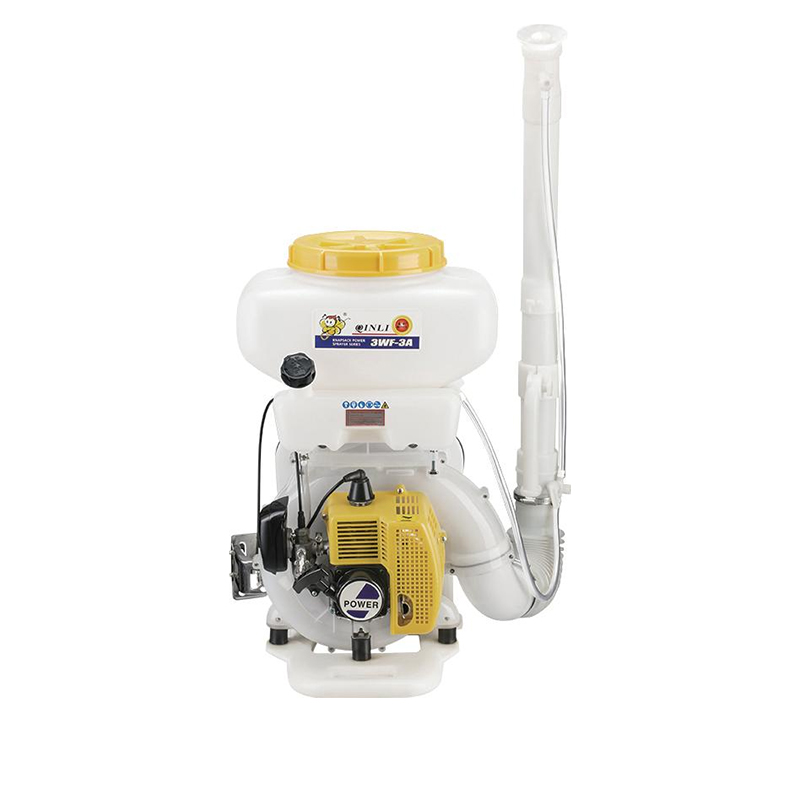
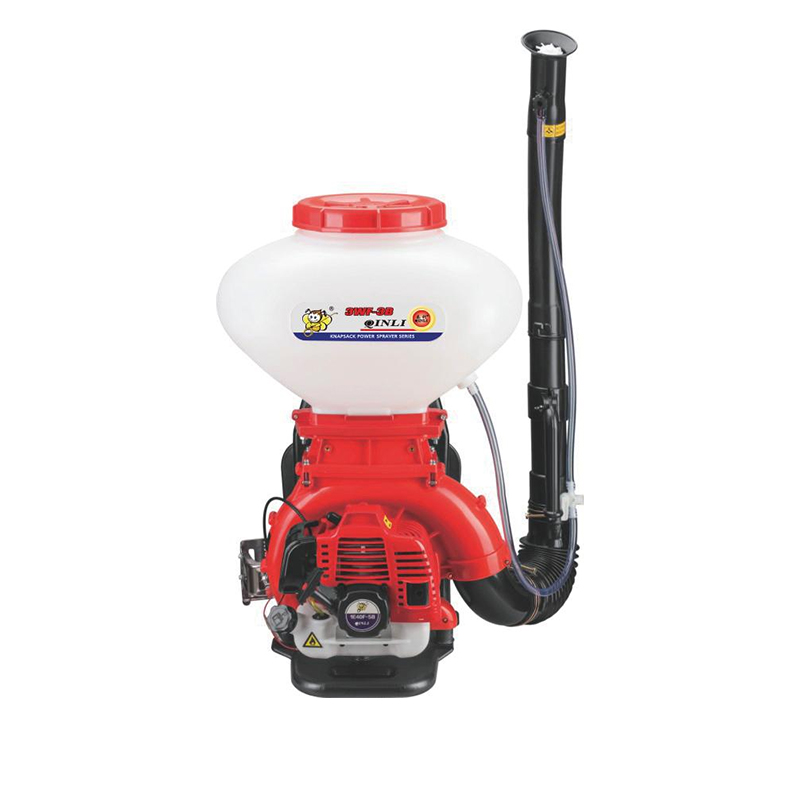
Knapsack Power Sprayers have become an integral tool for many agricultural and landscaping operations, offering a combination of mobility, efficiency, and convenience. Companies manufacturing these devices focus on creating equipment that balances durability with ease of use. Typically, these sprayers consist of a tank carried on the operator’s back, a pump system to generate pressure, and a hose with a nozzle to direct the liquid. By streamlining the spraying process, these sprayers allow users to cover larger areas in less time compared to traditional handheld or stationary sprayers.
The production of Knapsack Power Sprayers involves several careful steps. Initially, the tanks are constructed from high-density plastic or lightweight metal alloys to ensure they can hold sufficient liquid while remaining comfortable to carry. Tank caps and seals are precisely molded to prevent leakage, and the shoulder straps are designed with adjustable padding to reduce strain during extended use. The pump mechanism is generally made from robust materials, capable of sustaining consistent pressure for various spraying tasks. Some manufacturers also incorporate ergonomic handles and nozzles, allowing users to control spray patterns and pressure levels efficiently.
Assembly of these sprayers is typically carried out on production lines where components are checked for quality at multiple stages. Tanks are inspected for uniform thickness and durability. Pump systems are tested individually to ensure smooth operation and adequate pressure. Hoses and nozzles undergo flow tests to confirm they provide consistent spray coverage. Once these elements pass inspection, they are assembled into complete units. Workers often perform final operational checks to ensure the sprayer functions correctly under typical working conditions.
Knapsack Power Sprayers are versatile and can be adapted for a wide range of liquids, including fertilizers, pesticides, herbicides, and cleaning solutions. Their mobility makes them especially useful in areas that are difficult to reach with larger equipment, such as steep slopes, dense vegetation, or urban gardens. Operators can adjust spray patterns from fine mist to targeted streams, which allows for precise application and reduces waste. Some models include features like pressure gauges or adjustable valves to provide greater control over the spraying process.
From a design perspective, companies invest in creating sprayers that are user-friendly and maintain a balance between weight and capacity. Tanks are ergonomically shaped to sit comfortably against the back, and straps distribute weight evenly to reduce fatigue. Pumps are often positioned to be easily accessible without disrupting the operator’s movement. Components are typically modular, allowing for straightforward replacement of worn parts. This modularity reduces downtime and helps operators maintain consistent performance during workdays.
Distribution and use of Knapsack Power Sprayers are widespread. They are commonly supplied to agricultural enterprises, landscaping companies, and municipal services. Retailers provide a variety of models to cater to different user needs, including varying tank sizes, pump capacities, and nozzle configurations. Training for operators is generally straightforward, emphasizing safety, correct assembly, and proper handling of liquids. By offering these sprayers in different configurations, companies accommodate users ranging from small-scale gardeners to professional contractors.
Knapsack Power Sprayers find use in cleaning operations, pest control, and surface treatments. Their portability allows for targeted application in confined spaces, staircases, and narrow alleys, which would be challenging with larger sprayers. Furthermore, the simplicity of their design means that routine checks and minor adjustments can be done on-site, minimizing interruptions and efficiency. Operators often appreciate the ability to carry the sprayer comfortably while moving through complex terrains, which reduces the physical strain associated with manual spraying.
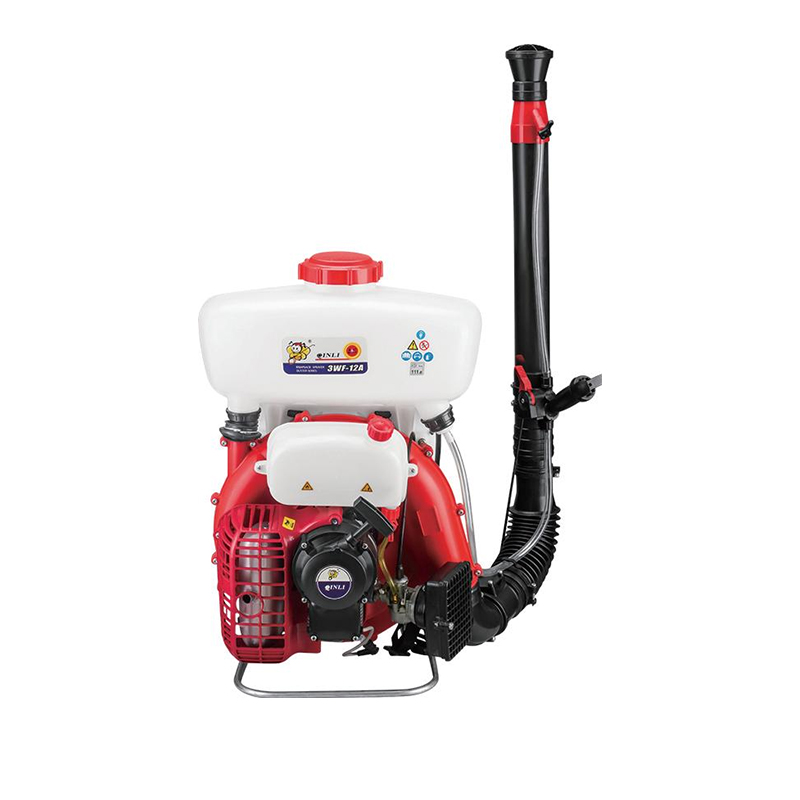
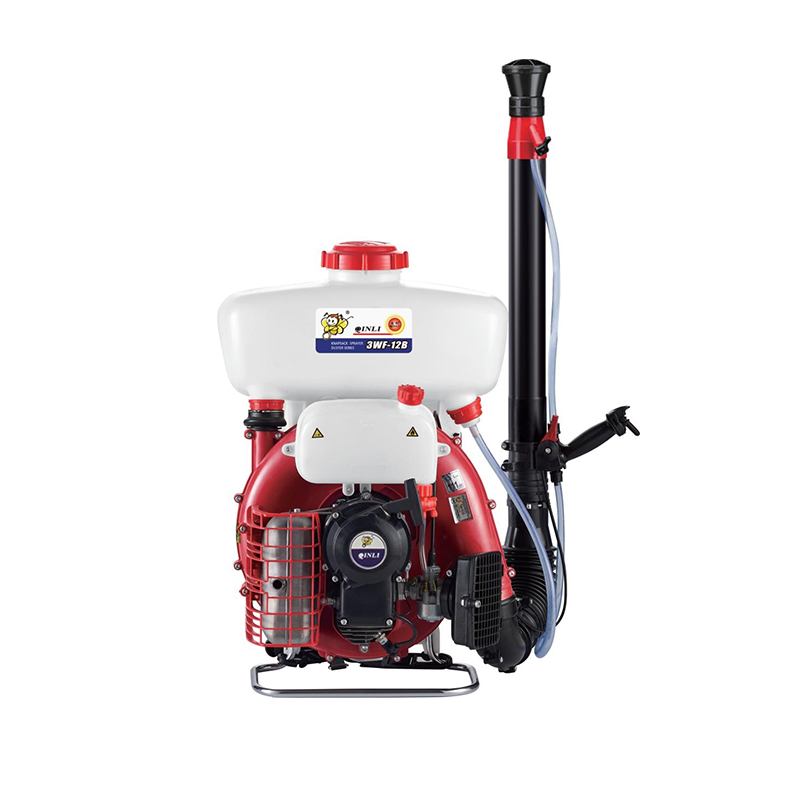
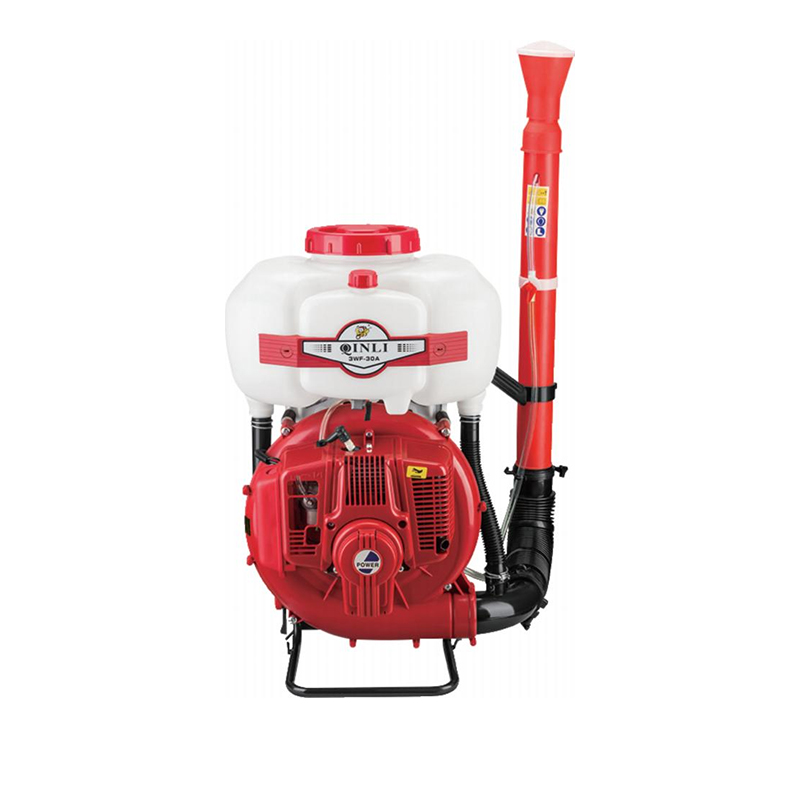
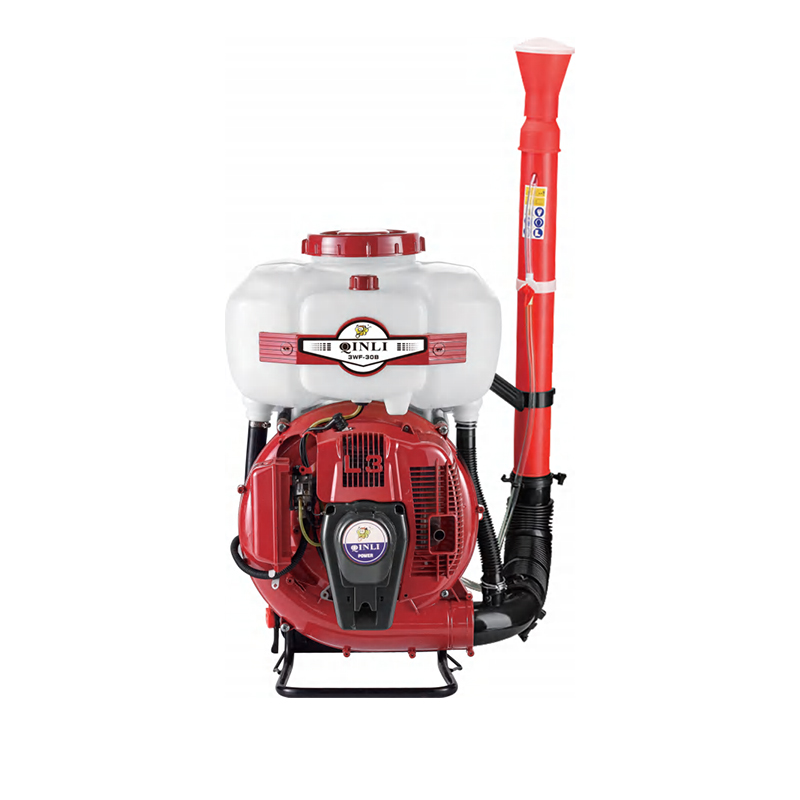
Recommended Products
- CONTACT DETAILS
-
- +86-13857697898
- +86-576-88121879
- export@qinlisprayer.com
- 18 Yanhai, sanjia Street, Jiao Jiang Dis, Taizhou city, Zhejiang, China
 Download Sample
- PRODUCT CENTER
- SEND A MESSAGE

