


 English
  中文简体
中文简体  Español
  عربى
عربى
Industry News
Knapsack Mist Duster Design for Crop Treatment
Knapsack Mist Duster equipment is widely used in agriculture, horticulture, and plantation management for applying liquid or powder formulations to crops and vegetation. Designed to be carried on the operator’s back, this portable device allows efficient treatment of fields, orchards, and greenhouses where large machinery cannot easily operate. The combination of compact structure and motor-driven airflow enables uniform distribution across plant surfaces.
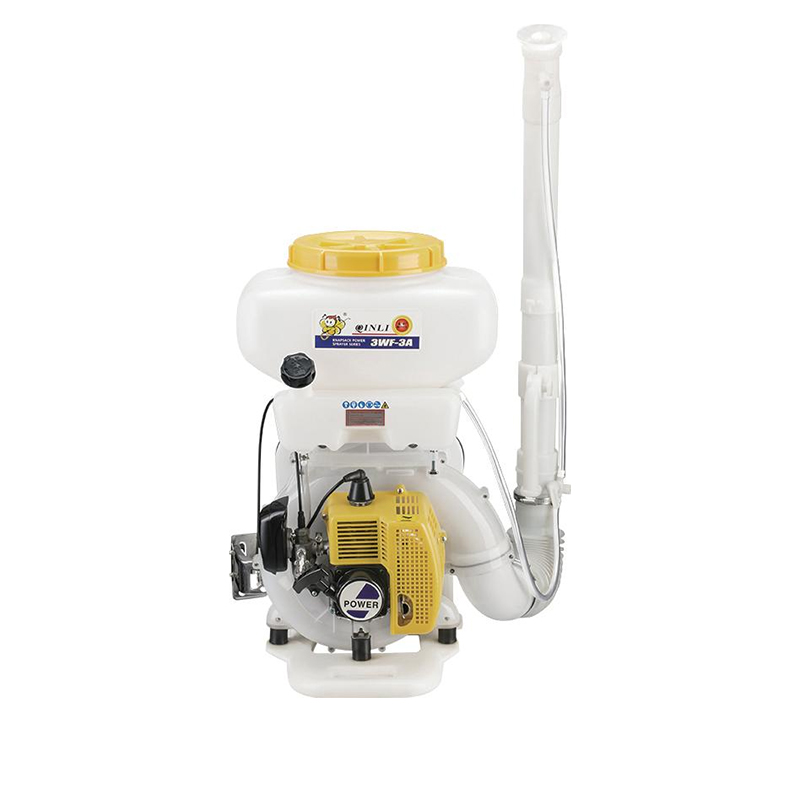
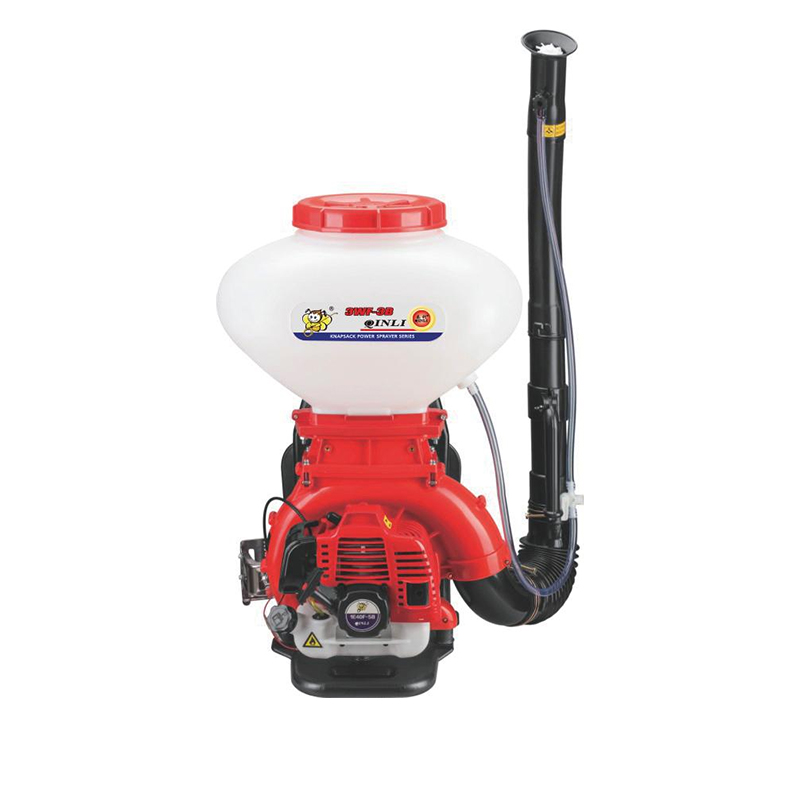
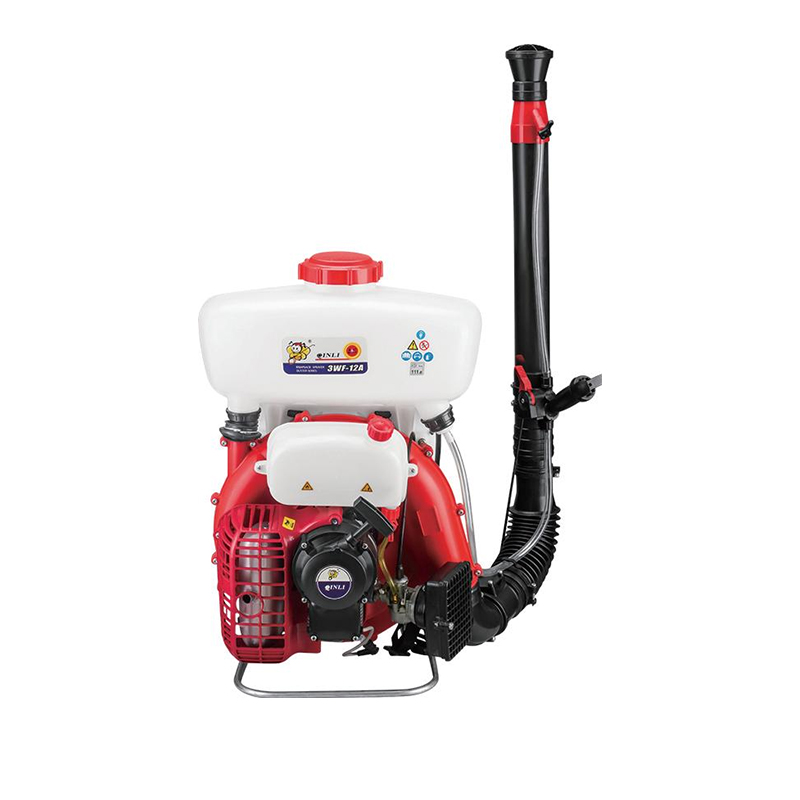
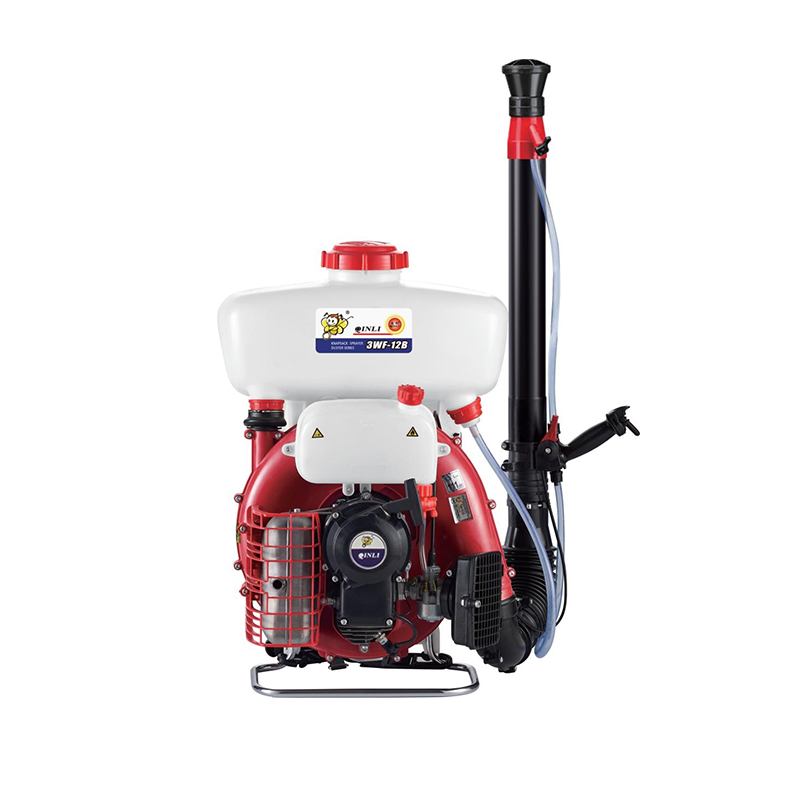
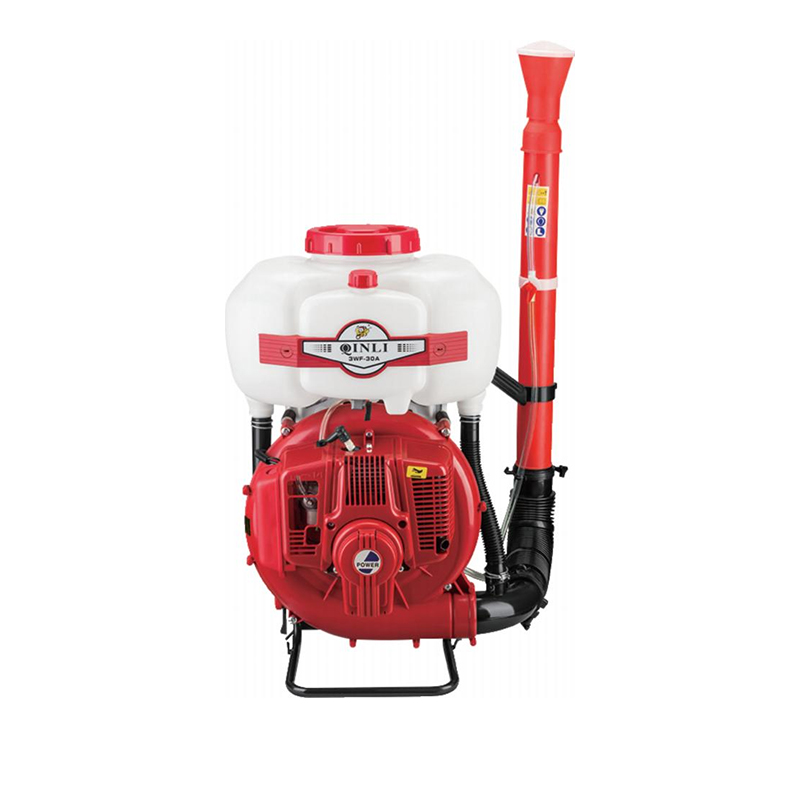
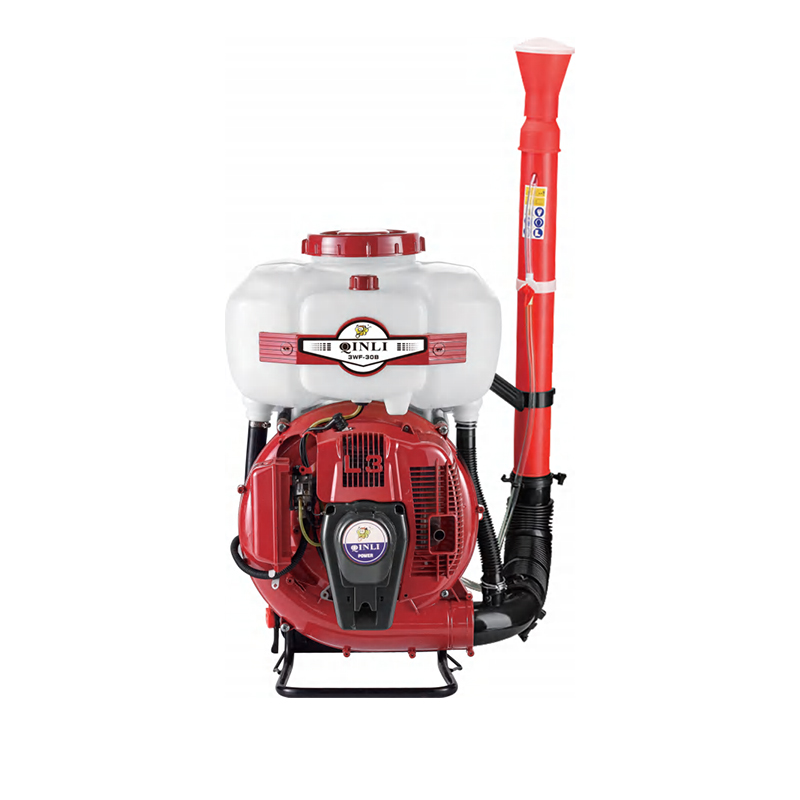
A standard Knapsack Mist Duster consists of a fuel-powered engine, a chemical tank, an air blower system, and a spray or dusting nozzle assembly. The engine generates rotational force that drives a fan, producing a strong airflow stream. This airflow atomizes liquid formulations into fine droplets or disperses powder particles, creating a mist capable of reaching leaves, stems, and branches.
Portability is a defining characteristic of the Knapsack Mist Duster. Shoulder straps and back support frames are engineered to distribute weight evenly, allowing operators to navigate uneven terrain or densely planted orchards. Lightweight structural materials reduce strain during prolonged fieldwork. Compact engine placement helps maintain balance and stability.
The atomization mechanism inside a Knapsack Mist Duster plays a central role in spray performance. Liquid solutions pass through a nozzle system where high-speed air breaks them into small droplets. Droplet size can influence coverage consistency and penetration depth within crop canopies. Adjustable nozzle heads allow operators to modify spray angle and distribution range depending on plant height and spacing.
In dusting mode, powdered substances are fed from the tank into the airflow stream. The internal feed mechanism regulates output volume, ensuring steady dispersal. Airflow velocity and nozzle configuration determine the effective treatment area. This dual-function capability makes the Knapsack Mist Duster suitable for various crop types and growth stages.
Tank capacity is selected based on working scale. Larger tanks reduce refill frequency in expansive orchards, while smaller tanks improve maneuverability in narrow planting rows. Transparent tank materials sometimes assist in monitoring liquid levels during operation. Secure lid designs help prevent leakage during movement.
Manufacturing of Knapsack Mist Duster equipment involves precision molding of plastic tanks, metal fabrication of frames, and detailed assembly of engine and blower components. Quality inspection processes evaluate airflow strength, droplet distribution, and mechanical vibration. Test runs simulate real operating conditions to verify stability and spray consistency.
Application scenarios vary across agricultural sectors. Fruit orchards rely on Knapsack Mist Duster equipment to treat tree canopies. Vegetable farms use it to cover broad planting areas efficiently. Tea plantations and hillside crops benefit from the device’s mobility in sloped terrain. The ability to access confined or uneven spaces supports its continued use in diverse cultivation environments.
Operational control depends on coordinated airflow and liquid feed rate. Operators adjust throttle settings and nozzle orientation to match crop density. Balanced airflow ensures mist reaches interior foliage rather than settling prematurely. Consistent engine speed contributes to uniform spray patterns.
The Knapsack Mist Duster remains an established tool in field operations due to its portability and mechanical simplicity. Combining engine-driven airflow, adjustable atomization, and ergonomic carrying systems, this equipment continues to serve crop treatment needs across plantations and farms. Its design integrates compact engineering and practical functionality, forming a recognizable presence in agricultural machinery markets.
Recommended Products
- CONTACT DETAILS
-
- +86-13857697898
- +86-576-88121879
- export@qinlisprayer.com
- 18 Yanhai, sanjia Street, Jiao Jiang Dis, Taizhou city, Zhejiang, China
 Download Sample
- PRODUCT CENTER
- SEND A MESSAGE

