


 English
  中文简体
中文简体  Español
  عربى
عربى
Industry News
Knapsack Mist Duster Combines Mobility with Practical Design
Suitable for Multiple Farming Environments
A Knapsack Mist Duster is used in many agricultural settings because it adapts well to different planting methods and field conditions.
Fruit growers often use it among citrus trees, apple orchards, vineyards, and tropical plantations where crops are arranged in rows with varying heights. Vegetable farms apply it to tomatoes, peppers, cucumbers, leafy greens, and other field crops. Tea plantations, flower gardens, forestry projects, and landscape maintenance teams also benefit from portable mist application equipment.
Beyond farming, municipalities and property management teams may use similar equipment for public green spaces, parks, and roadside vegetation where portability is an advantage.
This broad range of applications highlights the flexibility of the machine across different outdoor working environments.
Portable Design Supports Comfortable Operation
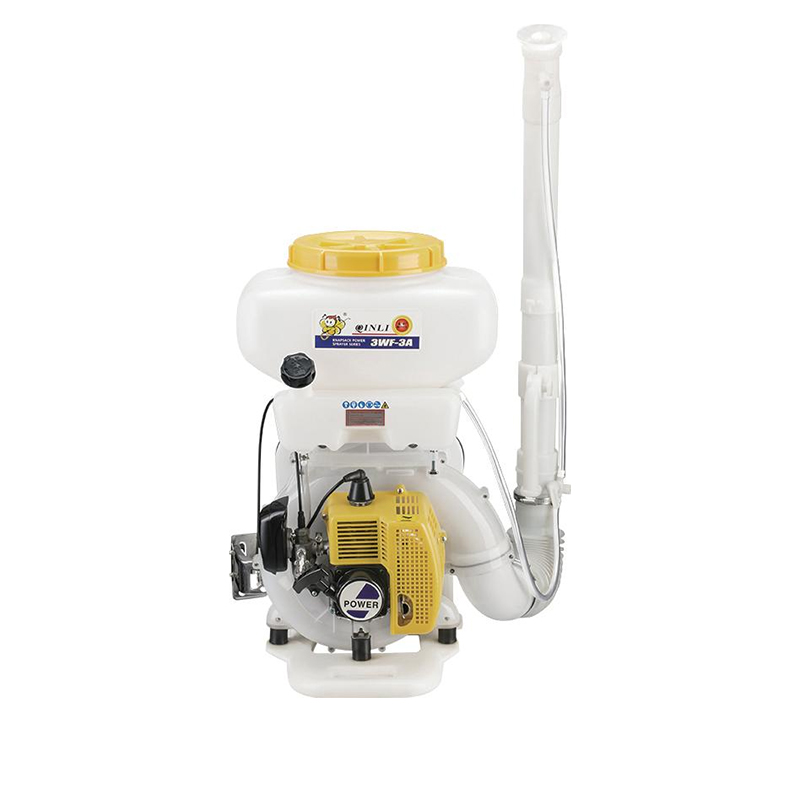
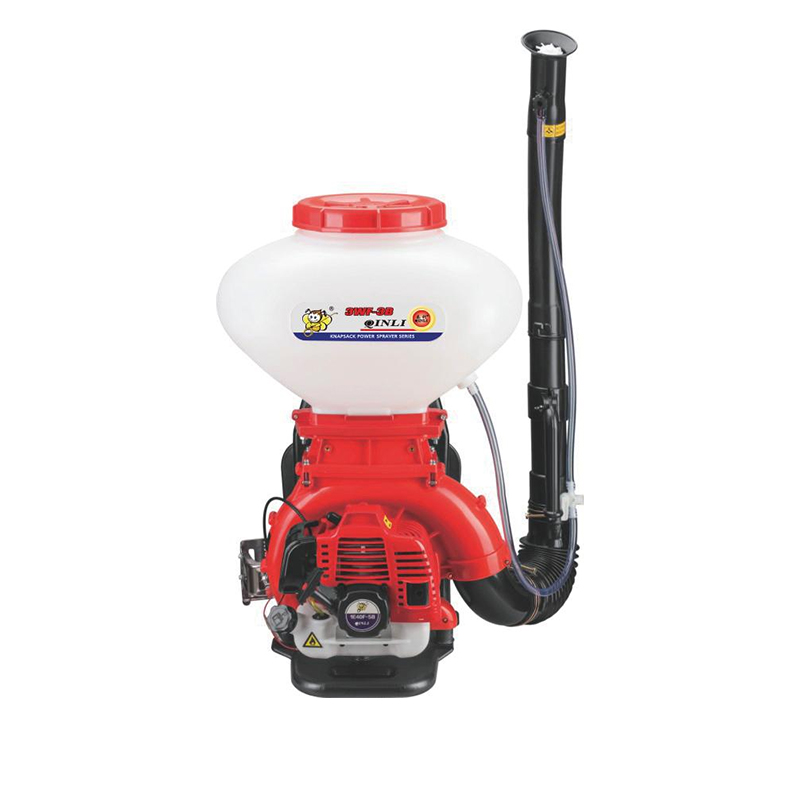
Mobility is one of the defining characteristics of a Knapsack Mist Duster. The machine is designed with shoulder straps and a back-support structure that distributes weight across the operator's shoulders and back during use.
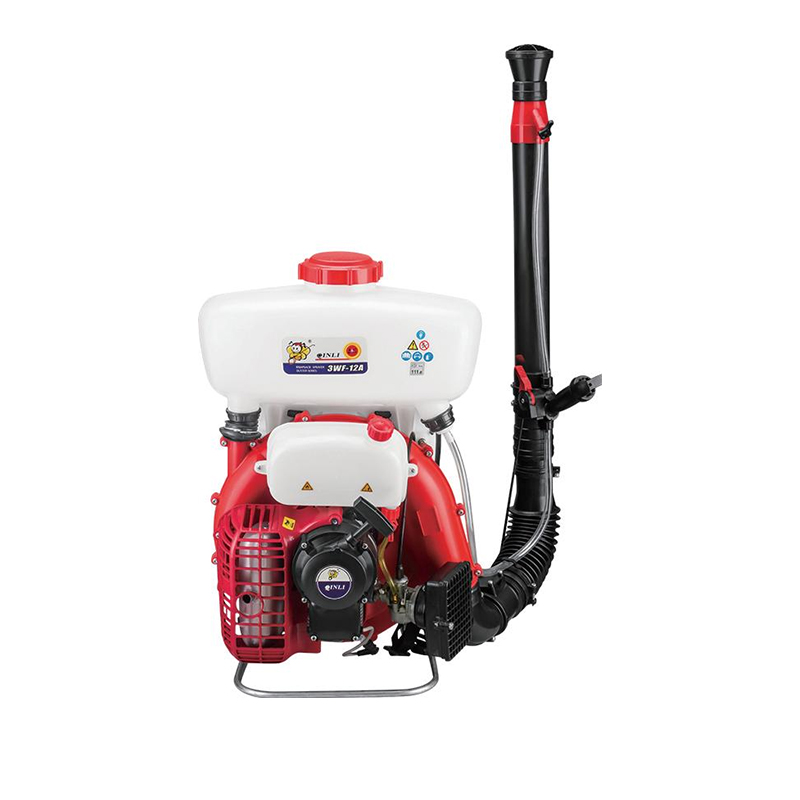
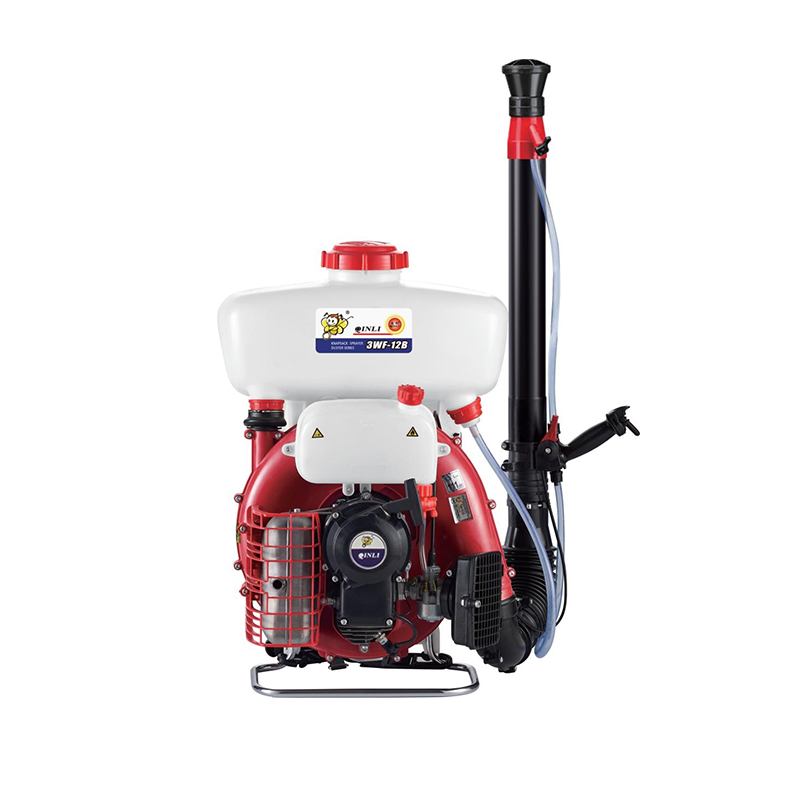
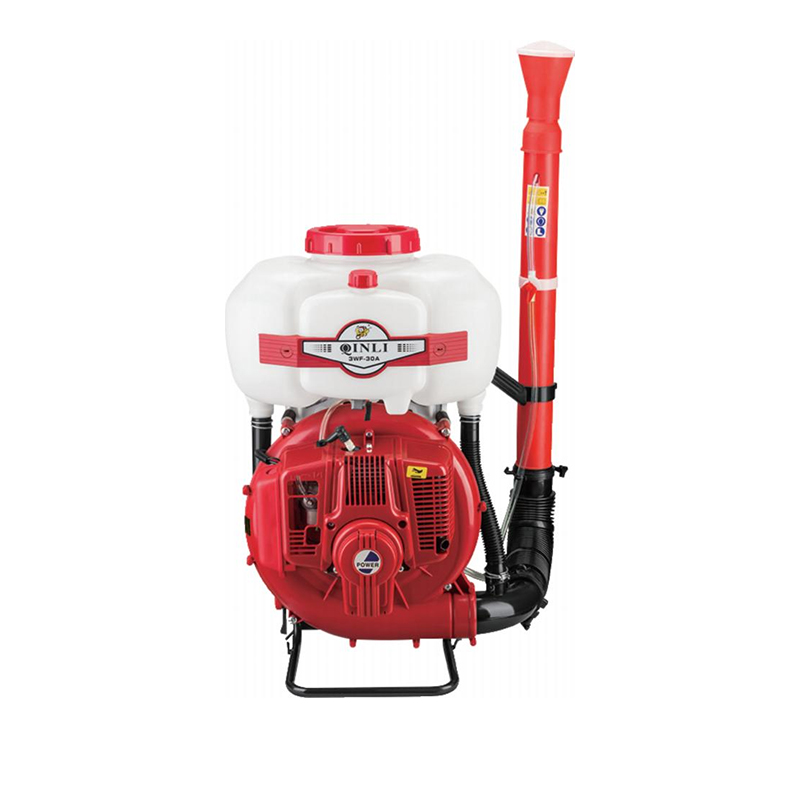
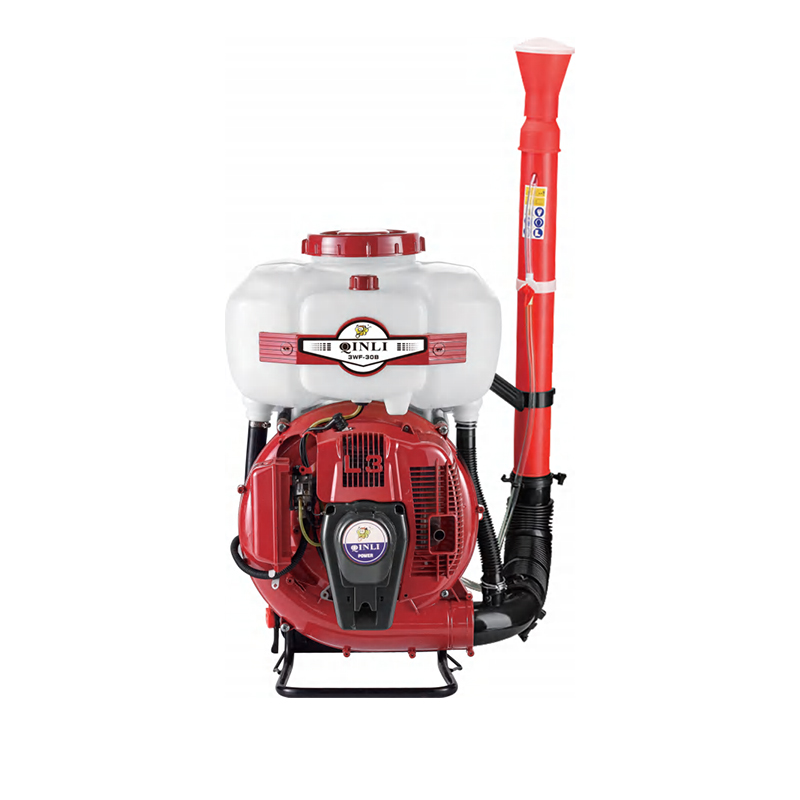
The compact fuel tank, chemical tank, engine, and blower system are integrated into a single portable unit. Operators can move through narrow crop rows, around trees, or across sloped fields without depending on large vehicles.
Control handles are typically positioned within easy reach, allowing adjustments to spraying or dusting functions while walking through the work area. This layout contributes to efficient operation in locations where maneuverability is important.
Working Principle Combines Airflow and Atomization
A Knapsack Mist Duster operates by combining engine power with a high-speed airflow system. The engine drives a fan that generates strong air movement through the delivery tube.
When liquid is introduced into the airflow, it is atomized into fine droplets and carried toward the target area. When powdered materials are used, the airflow transports dust particles through the application tube for even distribution across crops.
The operator can generally adjust application volume according to different field conditions and crop types. This flexible operating principle allows one machine to perform multiple treatment tasks using compatible materials.
Manufacturing Focuses on Durability and Precision
Producing a Knapsack Mist Duster involves combining mechanical engineering with precision manufacturing processes.
Engine components are machined to accurate tolerances before assembly. Plastic tanks are commonly manufactured using blow molding techniques, creating lightweight containers with consistent wall thickness. Metal frames and brackets are formed and welded to support the complete machine structure.
Air ducts, fan housings, fuel systems, and control assemblies are installed during final assembly. Before packaging, production teams conduct inspections covering engine operation, airflow performance, liquid delivery, structural assembly, and control functionality.
Careful manufacturing helps ensure that every machine performs consistently during routine agricultural applications.
Growing Demand Across Agricultural Operations
Modern agriculture includes farms of many sizes, each with unique planting layouts and operational requirements. Portable equipment continues to attract attention because it allows growers to work efficiently in orchards, gardens, greenhouses, plantations, and uneven terrain where larger machinery may have limited access.
The Knapsack Mist Duster addresses these needs by combining compact construction, practical mobility, and adaptable application methods into a single piece of agricultural equipment. Its suitability for liquid misting and powder distribution, together with its portable design and carefully engineered manufacturing process, makes it a valuable tool for crop management across a wide variety of farming and horticultural applications.
Recommended Products
- CONTACT DETAILS
-
- +86-13857697898
- +86-576-88121879
- export@qinlisprayer.com
- 18 Yanhai, sanjia Street, Jiao Jiang Dis, Taizhou city, Zhejiang, China
 Download Sample
- PRODUCT CENTER
- SEND A MESSAGE

