


 English
  中文简体
中文简体  Español
  عربى
عربى
Industry News
Knapsack Mist Blower Secrets to Better Coverage
The knapsack mist blower works by combining portability with spray functionality. A worker straps it on like a backpack, operates it while moving through the space that needs treatment, and the equipment produces a fine mist that lands consistently across fields, orchards, or gardens. Movement is the advantage here — there's no need to set up in one spot or stay within reach of a hose or power line. Uneven ground, dense vegetation, scattered trees: the equipment adapts to whatever terrain or layout the worksite presents.
Design Features of Knapsack Mist Blowers
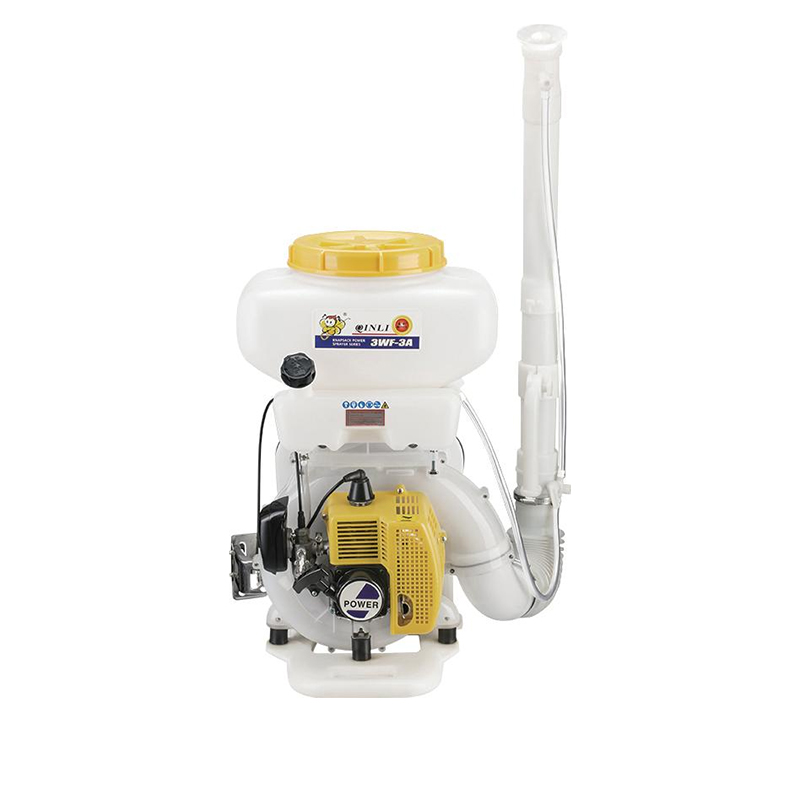
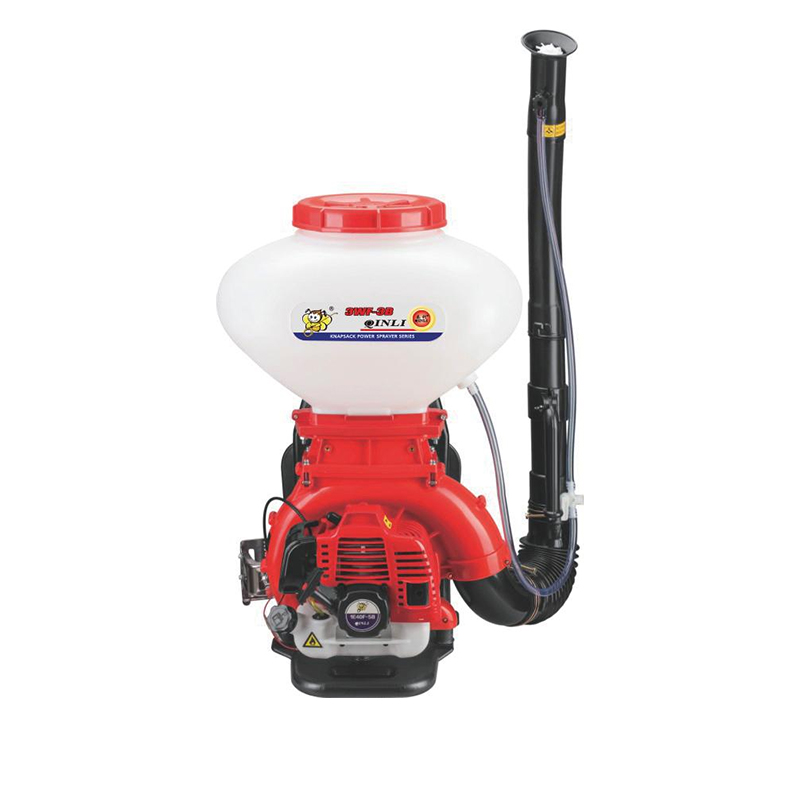
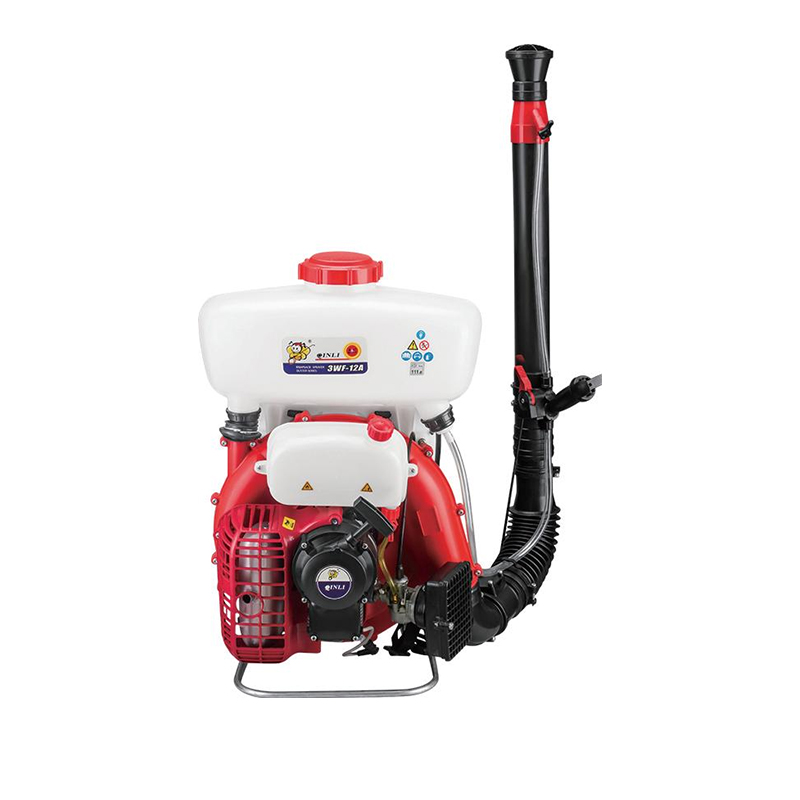
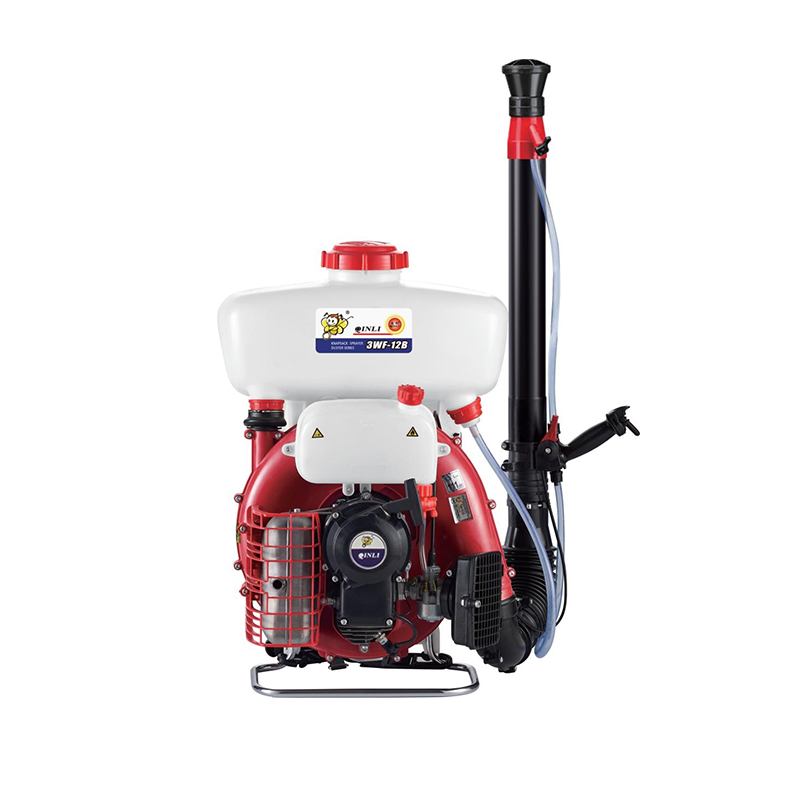
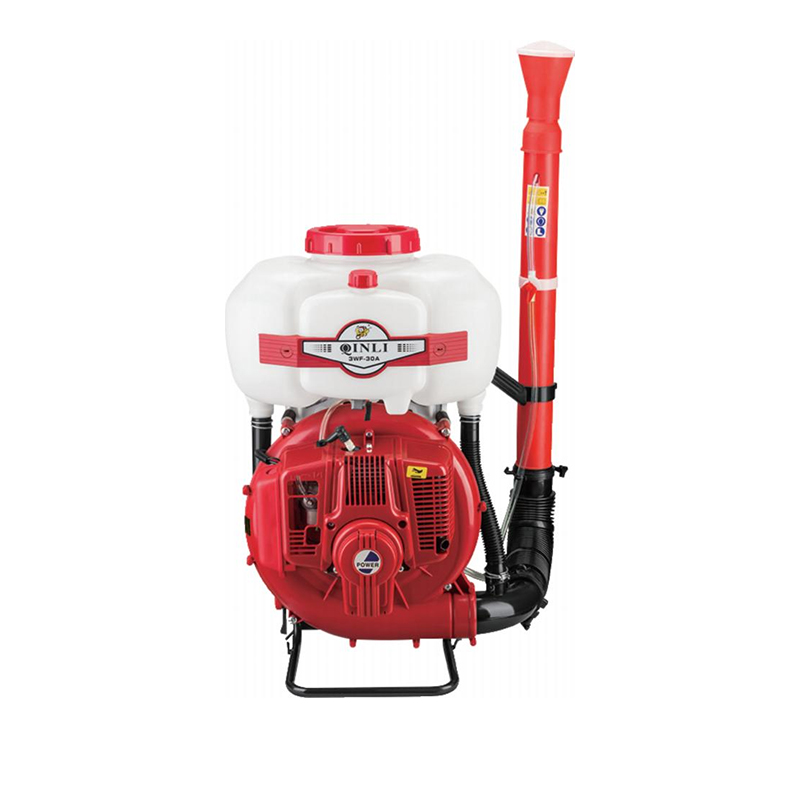
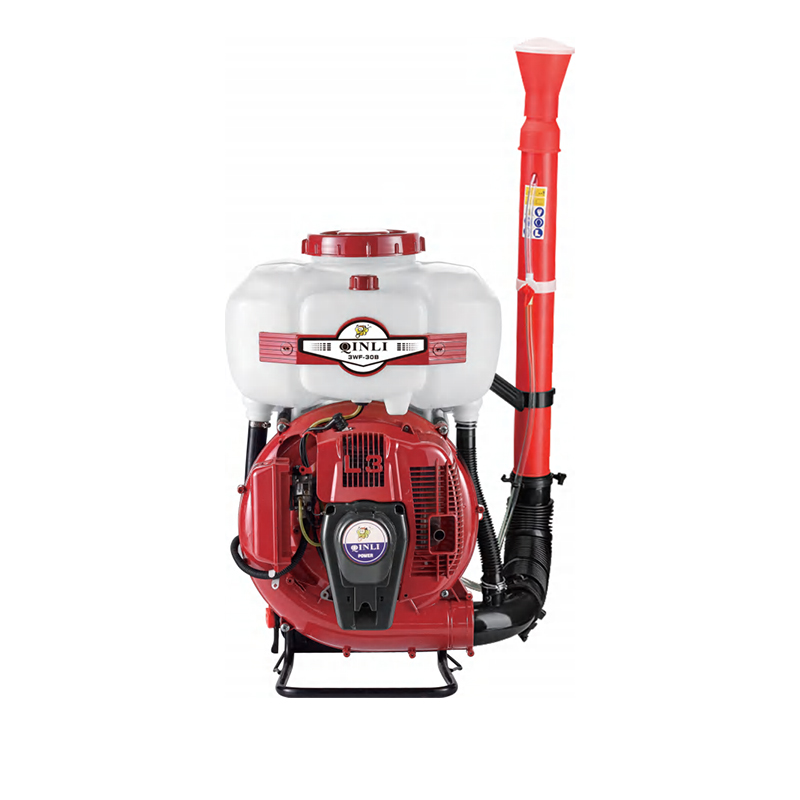
Inside a knapsack mist blower, there's a tank that holds whatever liquid is being sprayed, an engine or motor that powers the whole operation, and a nozzle that breaks the liquid into a fine mist. Construction materials tend toward durability — these things get used outdoors, bounced around, exposed to weather and whatever chemicals are being sprayed. The straps get adjusted to fit the operator, and they need to stay comfortable even when someone's wearing the thing for hours at a stretch.
The blower component generates airflow that turns the liquid into small droplets. This setup allows coverage over plants without direct contact in some cases. Controls on the handle let users adjust the spray direction and intensity based on the task at hand.
How Knapsack Mist Blowers Function
Operation starts with filling the tank with the appropriate solution. Once powered on, the engine drives a fan or compressor that pushes air through the nozzle. The liquid mixes with this air stream, producing a mist that spreads across targeted areas.
Users walk at a steady pace while directing the nozzle. The process requires attention to wind direction to achieve even distribution. Battery-powered or gasoline versions exist, each offering different levels of runtime suited to various job sizes.
Applications Across Different Sectors
In crop production, knapsack mist blowers assist with the application of nutrients and protective solutions to plants. Farmers use them in vegetable plots, fruit orchards, and grain fields where precise coverage matters.
Landscaping teams rely on these tools for maintaining lawns and ornamental plants. The mist reaches foliage effectively, supporting plant health in residential and commercial green spaces.
Pest management in controlled environments also incorporates knapsack mist blowers. They help address issues in greenhouses and nurseries by delivering treatments to specific zones.
Practical Benefits in Daily Operations
Knapsack mist blowers provide mobility that larger equipment cannot match in tight or uneven spaces. Their backpack style reduces the need for constant refilling in smaller areas, streamlining workflow.
The mist form allows for efficient liquid use, as droplets cover surfaces more thoroughly than larger sprays. This supports consistent results during routine applications.
Workers appreciate the balance between power and weight in many designs. This combination enables longer sessions without excessive fatigue when proper techniques are followed.
Selecting a Suitable Knapsack Mist Blower
Tank capacity runs from around 10 liters up to 25 liters or more. Smaller tanks mean less weight but more frequent refilling. Power comes from gasoline engines, battery electric, or corded electric — each has different trade-offs depending on where and how long you're working.
Nozzle adjustments offer flexibility for different droplet sizes. Some versions include multiple settings to match various plant types and solution viscosities.
Weight distribution in the frame contributes to ease of carrying. Users often evaluate handle placement and trigger mechanisms for control during movement.
Recommended Products
- CONTACT DETAILS
-
- +86-13857697898
- +86-576-88121879
- export@qinlisprayer.com
- 18 Yanhai, sanjia Street, Jiao Jiang Dis, Taizhou city, Zhejiang, China
 Download Sample
- PRODUCT CENTER
- SEND A MESSAGE

