


 English
  中文简体
中文简体  Español
  عربى
عربى
Industry News
Innovations in Manual Sprayer Enhance Operator Comfort
Versatility and Applications in Agriculture
Manual sprayers remain a reliable solution for small-scale and medium-scale farming operations. They are widely used for applying pesticides, herbicides, fertilizers, and foliar nutrients to crops. The simple, portable design allows operators to treat specific plant sections accurately, minimizing chemical waste and reducing environmental impact. Farmers appreciate manual sprayers for their ability to target precise areas such as seedlings, shrubs, and greenhouse plants, where larger mechanized systems may be inefficient or impractical.
Manual sprayers are increasingly adopted in urban farming, community gardens, and rooftop agriculture, where space constraints make larger equipment unsuitable. They are also valuable in experimental agriculture, where precision dosing and selective application are critical for research outcomes.
Design and Operational Features
Modern manual sprayers integrate ergonomic handles, adjustable nozzles, and pressure regulators to improve ease of use and spray consistency. High-quality materials, including corrosion-resistant metals and durable plastics, extend the product lifespan. Some models include transparent tanks for visual monitoring of liquid levels, while others feature quick-release components for easier cleaning and maintenance. Adjustable spray patterns allow operators to switch between fine misting and coarse spraying, optimizing coverage depending on crop type and application goals. Additional enhancements, such as detachable shoulder straps, flow meters, and reinforced hose connections, improve both operator comfort and spray accuracy, allowing extended use without compromising performance. Advanced nozzle designs and pressure stabilization features also reduce chemical wastage, ensuring uniform droplet size and coverage while improving overall treatment effectiveness.
Efficiency and Labor Considerations
Manual sprayers offer controlled application with minimal resource consumption. Proper calibration ensures even distribution of liquids, which enhances plant health and reduces waste. Although labor-intensive compared to automated sprayers, they remain cost-effective for smaller plots or remote locations where mechanized equipment is unavailable. Lightweight designs improve operator comfort during extended use, reducing fatigue while maintaining steady pressure and spray coverage across the target area.
Training programs for workers also help maximize efficiency, ensuring correct pressure application, nozzle adjustment, and spray technique to enhance treatment effectiveness. Integrating standard operating procedures and scheduled breaks can prevent operator errors and maintain consistent spray quality over long working hours, further improving productivity and overall crop management outcomes.
Maintenance and Longevity
Routine maintenance is essential for reliable performance. Cleaning after each use prevents clogging, preserves nozzle precision, and avoids contamination. Inspecting seals, hoses, and tank integrity ensures safety during operation. Many manufacturers provide modular designs, allowing replacement of worn components without discarding the entire unit. Regular maintenance also prolongs the sprayer’s effective lifespan, supporting both operational efficiency and economic value for farmers and horticulturists. Some sprayers now integrate self-draining tanks or quick-clean systems, which reduce downtime between applications and improve overall productivity, especially in commercial greenhouse or nursery environments.
Future Trends and Innovation
Innovation in manual sprayer design focuses on user-friendly operation, safety, and sustainability. Lightweight materials reduce operator strain, while chemical-resistant components enhance durability. Some sprayers integrate measurement scales, automated pressure regulators, or ergonomically designed straps for portable units.
Trends emphasize precise dosing, minimal chemical runoff, and adaptability across diverse agricultural contexts. Increasingly, manufacturers are exploring eco-friendly materials for tanks and hoses, promoting recyclable or biodegradable components without compromising performance. Integration of digital monitoring tools, such as pressure sensors or flow indicators, may further improve spraying precision in the near future. Manual sprayers continue to be a key tool for sustainable farming practices, combining precision, efficiency, and environmental responsibility in crop management.
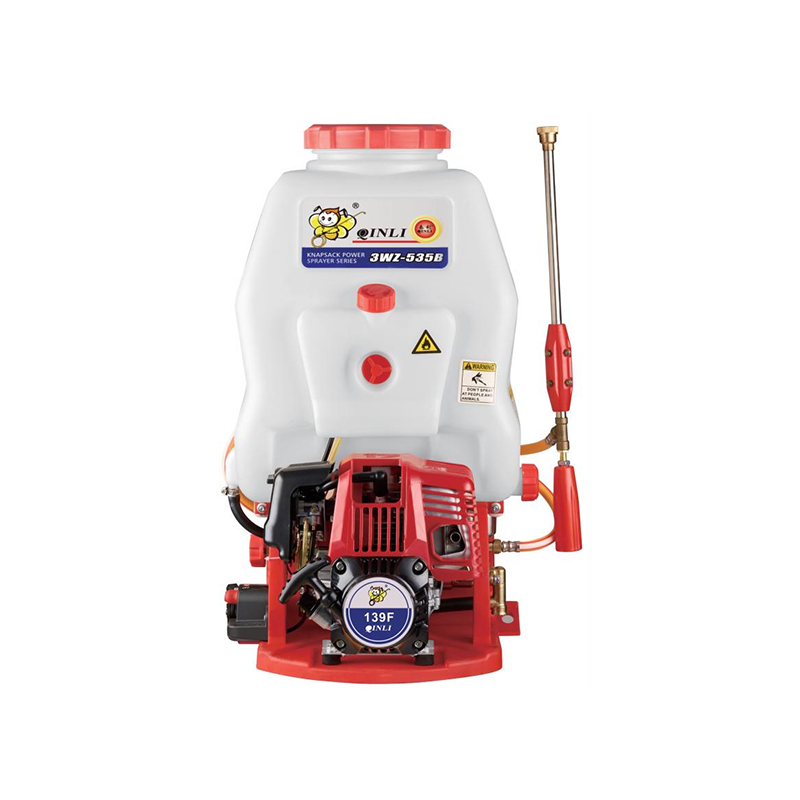
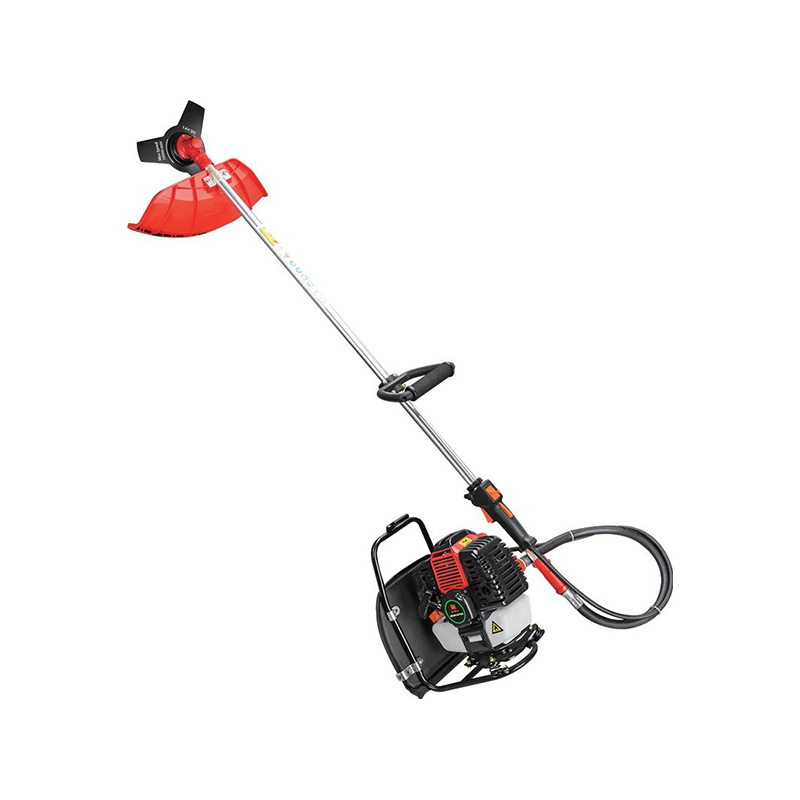
Recommended Products
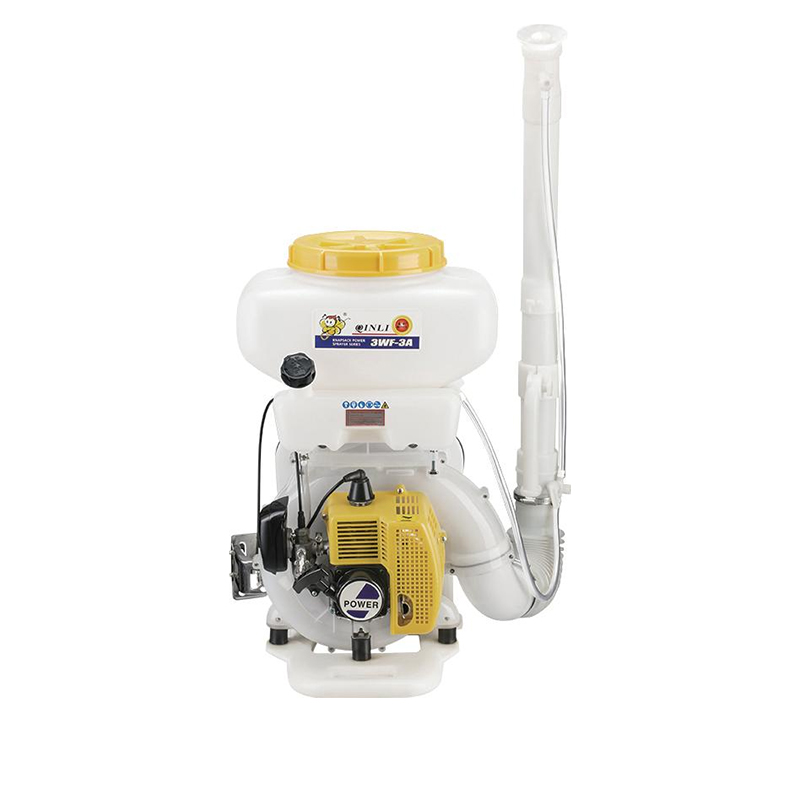
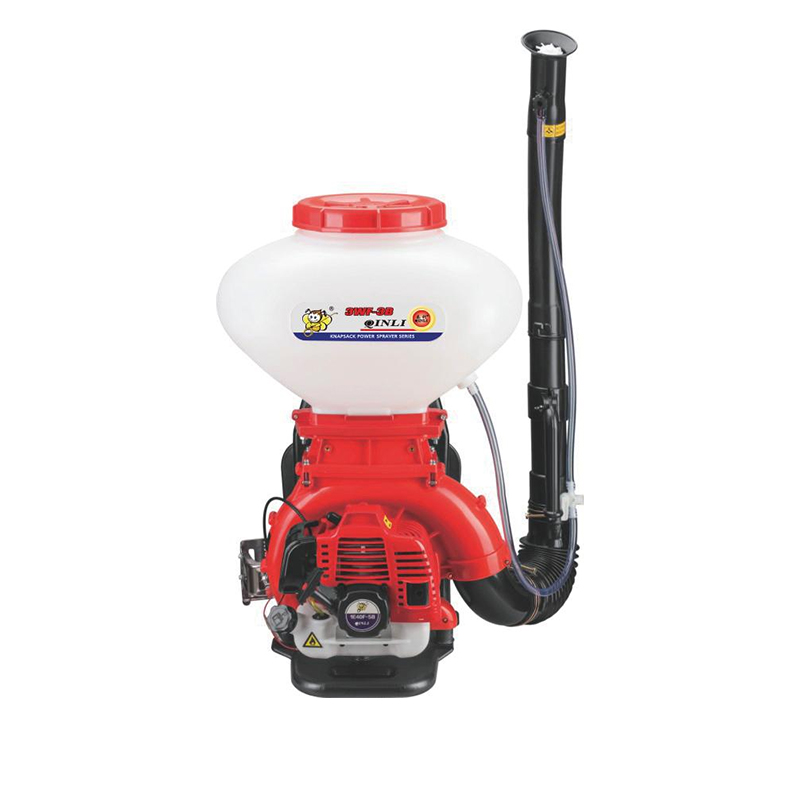
- CONTACT DETAILS
-
- +86-13857697898
- +86-576-88121879
- export@qinlisprayer.com
- 18 Yanhai, sanjia Street, Jiao Jiang Dis, Taizhou city, Zhejiang, China
 Download Sample
- PRODUCT CENTER
- SEND A MESSAGE

