


 English
  中文简体
中文简体  Español
  عربى
عربى
Industry News
Getting More from Your Knapsack Power Sprayer
Why small and mid-scale farmers keep coming back to this tool
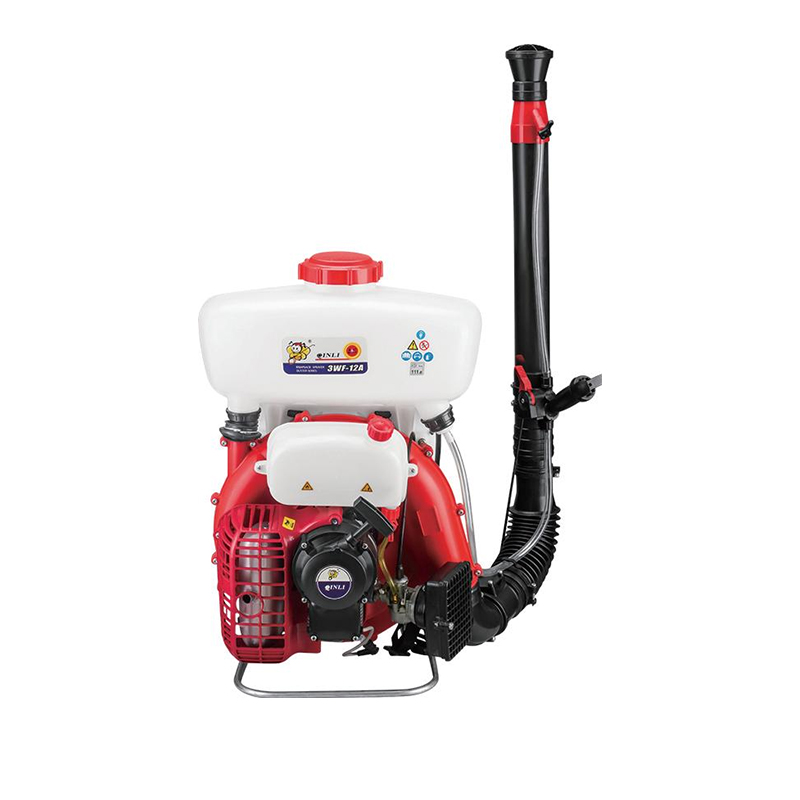
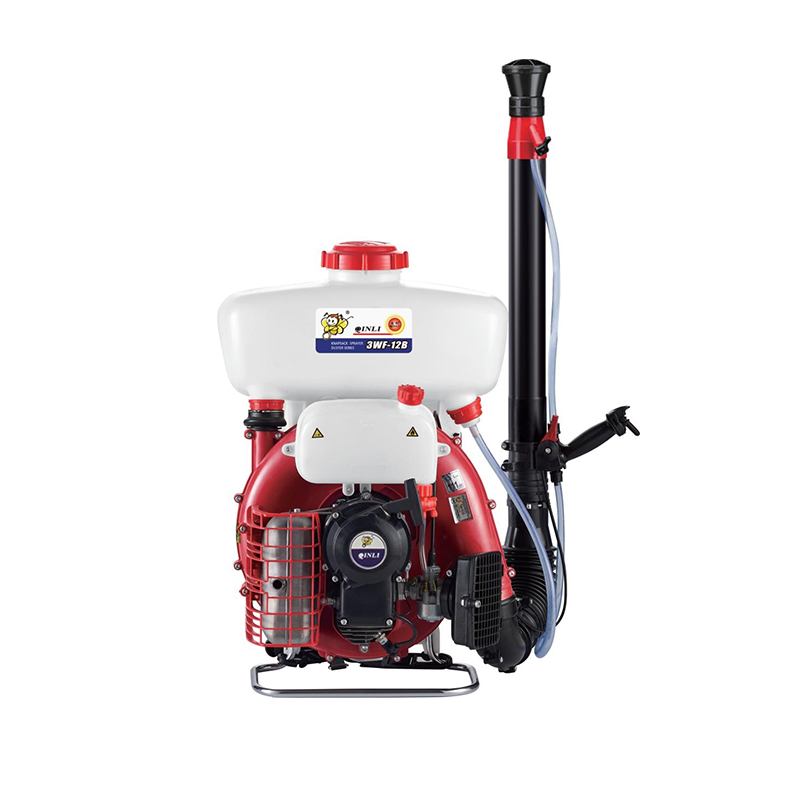
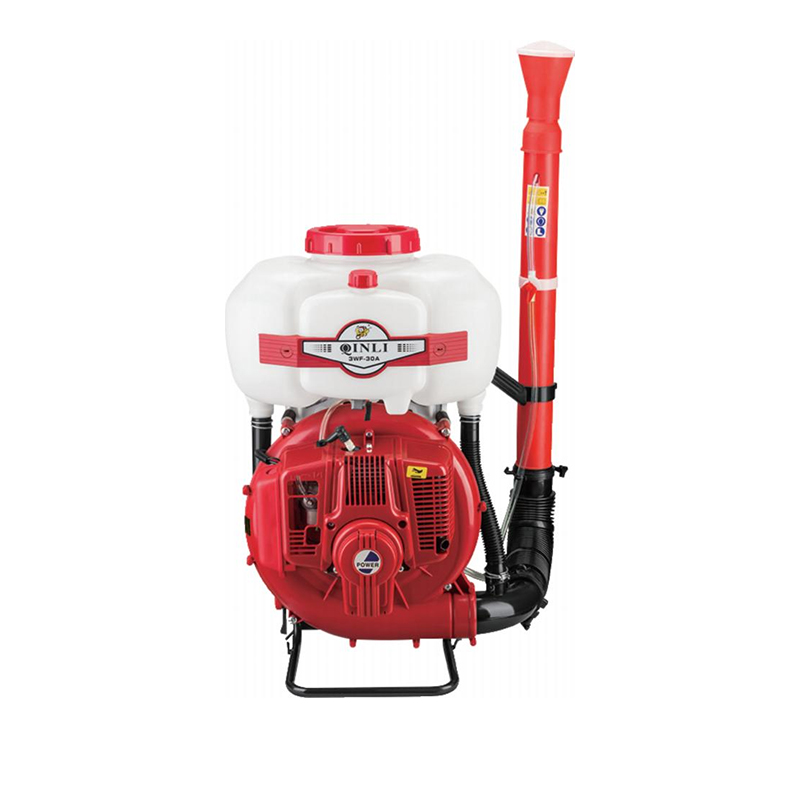
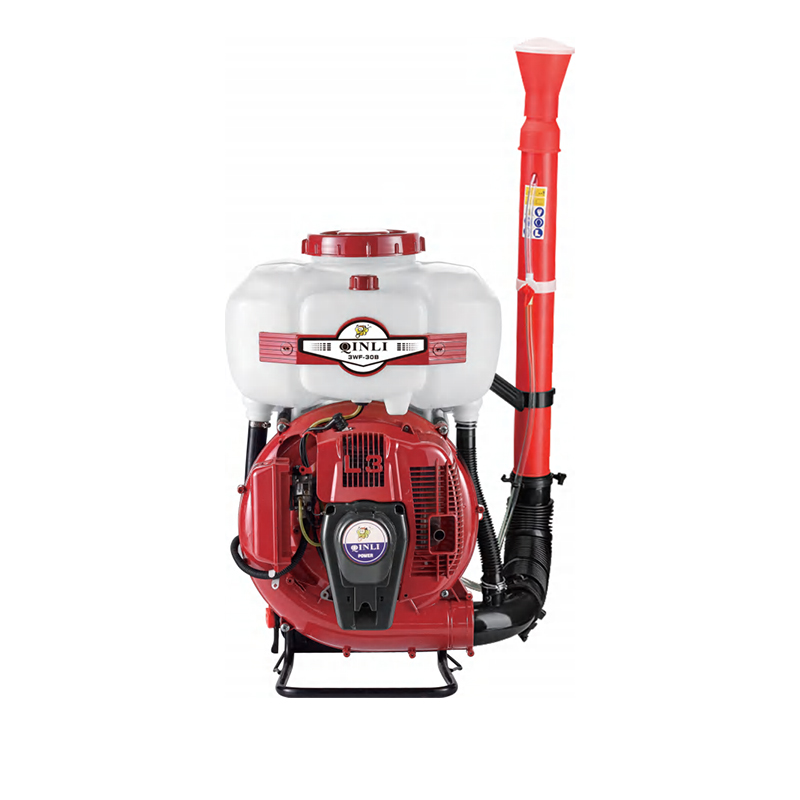
There's a reason the knapsack power sprayer shows up on farms ranging from hillside tea plantations in Asia to vegetable plots in sub-Saharan Africa. It fits the reality of how many farmers actually work: on uneven ground, in areas with no tractor access, often without a crew. You strap it on, start the engine, and get moving. There's no complicated setup, no dependency on machinery that needs its own maintenance schedule.
For crops like rice, tobacco, cotton, and orchard fruit, where timely application of pesticide or fertilizer can make a real difference to yield, having a tool that's ready when you need it matters. A motorized knapsack unit covers ground faster than a manual pump and delivers more consistent spray pressure — which means better coverage and less wasted chemical. For farmers working with tight margins, that kind of efficiency adds up over a season.
What separates a reliable unit from one that causes problems in the field
Not every knapsack power sprayer is built the same, and the differences show up quickly once you're in regular use. Engine displacement matters — a 26cc or 52cc two-stroke gasoline engine is a common configuration, and the choice affects both runtime and the volume of liquid the pump can move per minute. Underpowered units struggle with thicker emulsifiable concentrates or when pressure needs to be sustained over long sessions.
Tank material is another thing worth paying attention to. High-density polyethylene tanks resist chemical corrosion better than cheaper alternatives, and they hold their shape under UV exposure over multiple seasons. Seals and hose fittings are where a lot of lower-cost models cut corners — and those are exactly the parts that fail mid-application. A sprayer that leaks at the shoulder harness or loses pressure after thirty minutes isn't saving anyone time. Checking for replaceable parts availability before purchasing is a practical step that gets overlooked more often than it should.
Maintenance habits that extend the working life of your sprayer
A knapsack power sprayer that gets looked after properly can run well for years. One that doesn't may cause trouble within a single season. The basics are straightforward but easy to skip when you're tired after a day in the field: flush the tank and lines with clean water after every use, especially when applying herbicides or fungicides that leave residue. Letting chemical concentrate sit in the system overnight accelerates corrosion and clogs nozzle filters in ways that aren't always obvious until spray quality drops noticeably.
The engine side needs attention too. Two-stroke engines run on a fuel-oil mix, and getting that ratio right every time protects the cylinder and piston from premature wear. Air filter cleaning should happen regularly, not just when performance dips. At the end of the growing season, draining the fuel, running the carburetor dry, and storing the unit somewhere dry prevents the gumming and rust issues that catch people off guard when they pull the sprayer out again months later. None of this is complicated — it's mostly about being consistent rather than reactive.
Recommended Products
- CONTACT DETAILS
-
- +86-13857697898
- +86-576-88121879
- export@qinlisprayer.com
- 18 Yanhai, sanjia Street, Jiao Jiang Dis, Taizhou city, Zhejiang, China
 Download Sample
- PRODUCT CENTER
- SEND A MESSAGE

