


 English
  中文简体
中文简体  Español
  عربى
عربى
Industry News
Design Details of Knapsack Mist Duster Units
Knapsack Mist Duster units combine a backpack frame with a mist-generating system for outdoor spraying tasks. Operators carry the device on their shoulders while directing a fine mist over plants or surfaces. This setup allows movement across open ground without dragging hoses or relying on fixed equipment.
Core Design of Knapsack Mist Duster
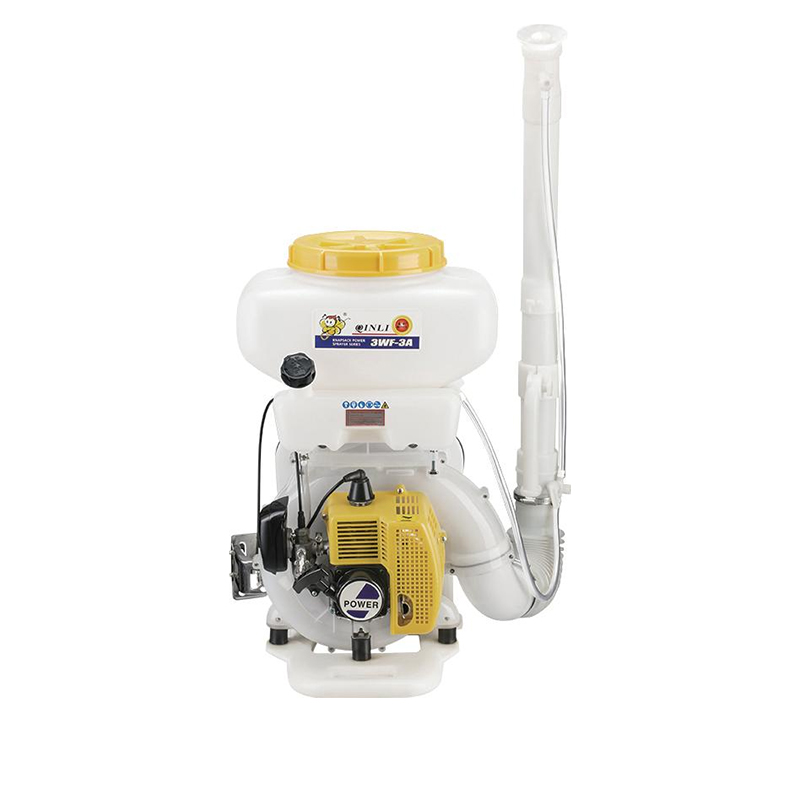
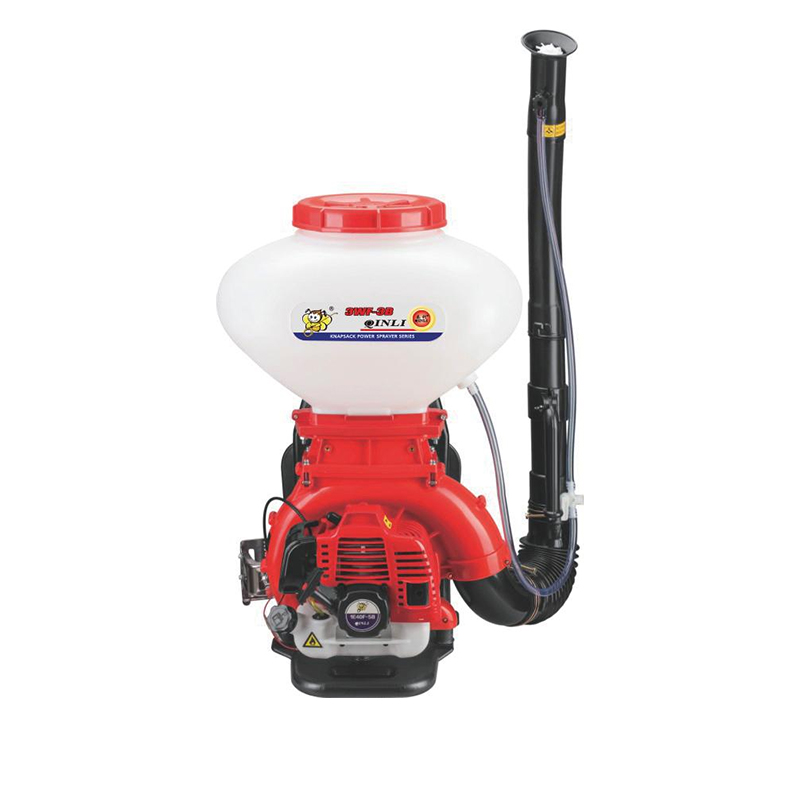
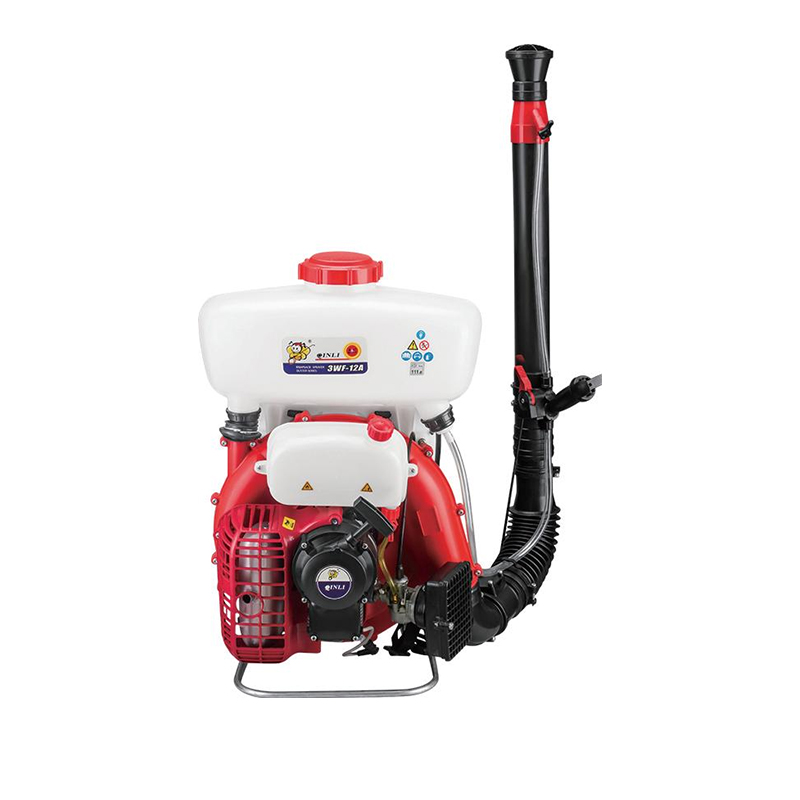
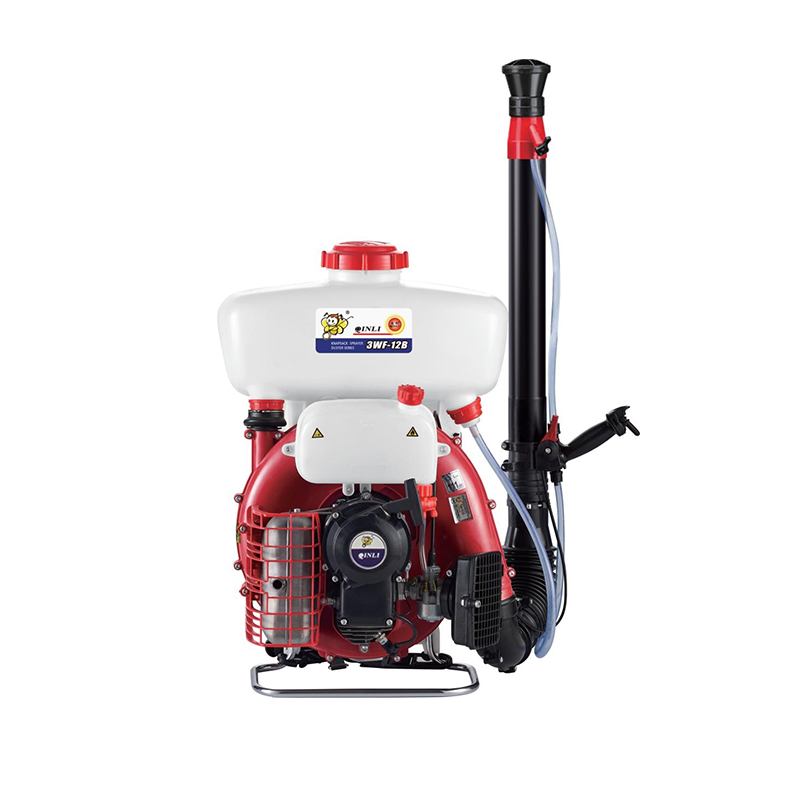
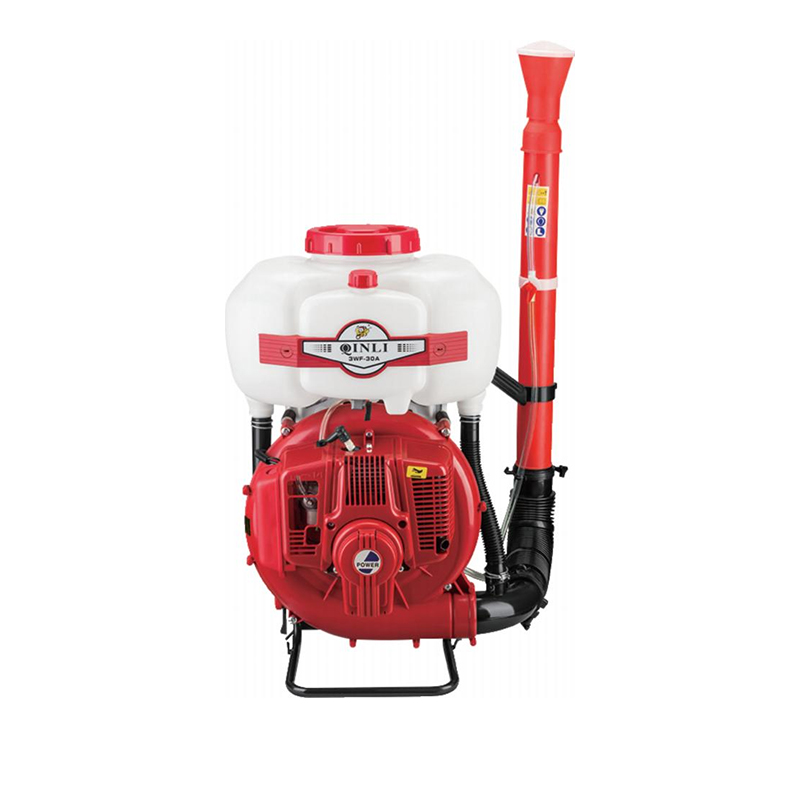
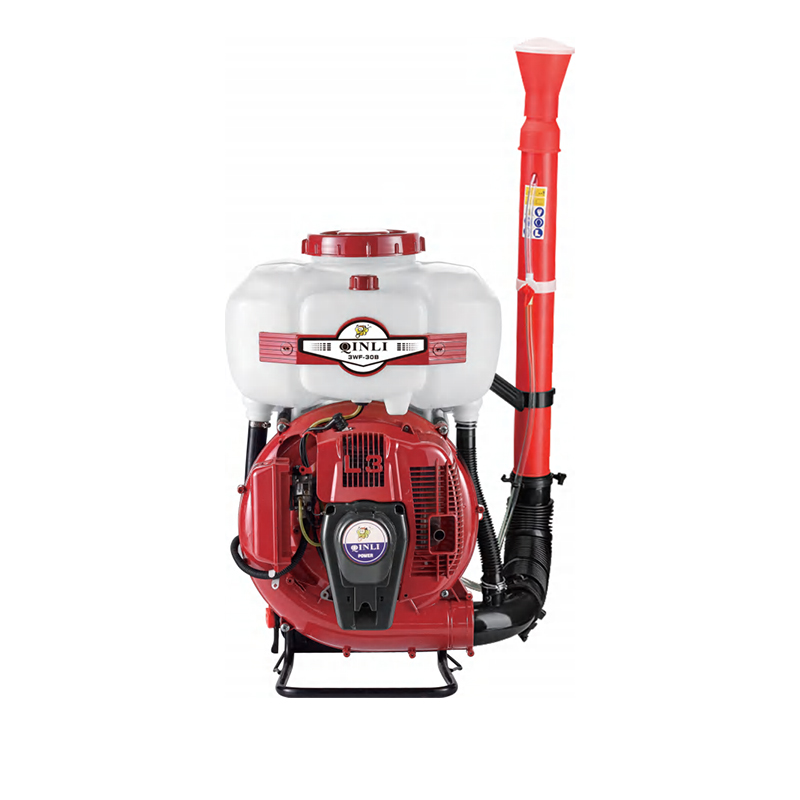
Knapsack Mist Duster construction centers on a sturdy frame that distributes weight across the back and hips. A tank holds the liquid mixture, while a blower or engine creates airflow that turns the liquid into mist. A flexible hose and nozzle let the user aim the spray with one hand.
Shoulder straps and a waist belt help keep the unit stable during walking. The frame often includes padding at contact points to reduce pressure on the body. Controls for starting the engine and adjusting airflow sit within easy reach so the operator can manage the spray without stopping.
How Mist Generation Works
Airflow from the blower picks up liquid from the tank and breaks it into fine droplets. These droplets form a mist that travels several meters from the nozzle. The operator controls the volume by changing engine speed or nozzle settings.
Knapsack Mist Duster models usually offer adjustable flow rates to match different coverage needs. A steady mist reaches leaves and stems evenly when the user walks at a consistent pace. The backpack design keeps both hands free for guiding the hose and maintaining balance on uneven ground.
Components That Shape Daily Use
Main parts include the liquid tank, engine or motor, blower assembly, and delivery hose. Tanks come in sizes that balance capacity with portable weight. Engines provide the power needed for continuous airflow, while electric versions appear in some lighter setups.
Nozzles vary in shape to produce different mist patterns. Wide patterns cover broad areas quickly. Narrow patterns focus on specific plants or rows. Knapsack Mist Duster frames use metal or reinforced plastic to withstand regular field movement.
Practical Applications in Open Spaces
Farmers and gardeners apply Knapsack Mist Duster tools across crop rows, orchard trees, and garden beds. The mist reaches both upper and lower leaf surfaces when directed carefully. Users also employ the units for covering storage areas or pathways that need light treatment.
Walking speed and nozzle angle influence how evenly the mist settles. Operators often work in the cooler parts of the day to support comfortable handling. The backpack format lets one person cover moderate areas without additional machinery.
Comfort Features for Extended Periods
Weight distribution receives careful attention during design. Straps adjust to different body sizes, and hip support shifts load away from the shoulders. Vibration from the engine is managed through mounting points that limit transfer to the frame.
Knapsack Mist Duster units often include a simple start mechanism and clear fuel or battery indicators. These details help the operator stay focused on directing the mist rather than managing the machine. Balanced weight and reachable controls reduce fatigue during longer sessions.
Variety in Model Configurations
Different versions offer tank capacities and power sources suited to specific tasks. Larger tanks reduce refill stops on expansive plots. Smaller tanks lighten the load for shorter or more detailed work. Engine-powered units deliver strong airflow, while lighter options suit smaller spaces.
Nozzle options and hose flexibility add further choice. Some setups include dual nozzles for simultaneous coverage of two rows. These variations let operators match the tool to the scale and layout of the area being treated.
Knapsack Mist Duster equipment supports outdoor spraying through a combination of portable design and controlled mist delivery. From the backpack frame to the adjustable nozzle, each element contributes to practical coverage across fields and gardens. Operators rely on the balance of capacity, airflow, and comfort to complete tasks with steady movement and directed spray.
Recommended Products
- CONTACT DETAILS
-
- +86-13857697898
- +86-576-88121879
- export@qinlisprayer.com
- 18 Yanhai, sanjia Street, Jiao Jiang Dis, Taizhou city, Zhejiang, China
 Download Sample
- PRODUCT CENTER
- SEND A MESSAGE

